In industrial settings, safety is a paramount concern, particularly when it comes to maintaining machines or equipment that could pose risks if inadvertently activated. Lockout Hasps serve as vital components in the lockout/tagout (LOTO) procedures, allowing you to effectively secure a machine during maintenance. This installation guide provides a detailed overview of how to correctly install Lockout Hasps, ensuring a safer environment for all personnel involved in the maintenance process.
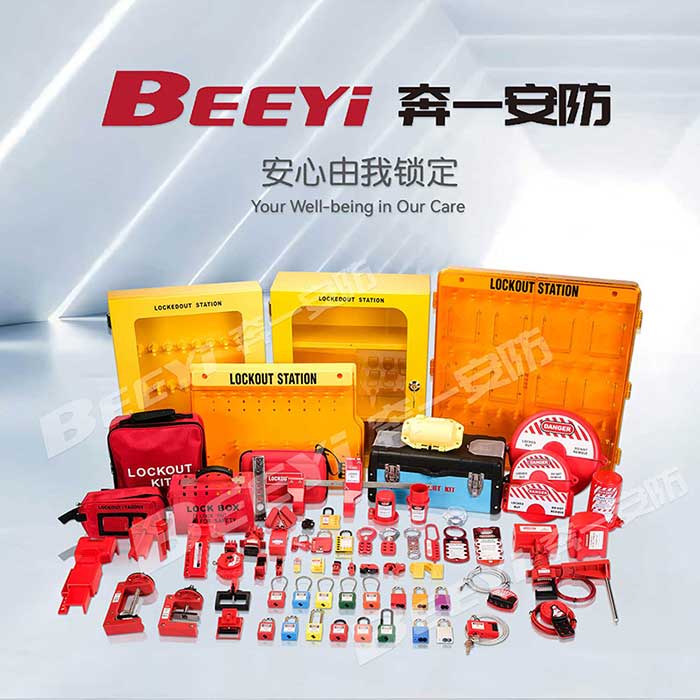
Understanding Lockout Hasps Lockout Hasps are mechanical devices designed to hold multiple locks connected to a single locking point on a machine or piece of equipment. By doing so, they prevent unauthorized or accidental access during maintenance and repair operations. The primary function of a Lockout Hasp is to ensure that only authorized and trained personnel can gain access to the equipment once it has been locked out. Preparing for Installation Before you begin the installation of a Lockout Hasp, follow these crucial preparatory steps: Safety First: Ensure the machine is powered down and isolated from all energy sources. This includes electrical, hydraulic, pneumatic, and mechanical sources. Familiarize yourself with the machine’s operation and safety manuals to understand its mechanisms.