Lockout hasps are essential components in the safety protocols used across various industries to prevent unexpected energy releases during equipment maintenance. These devices play a critical role in ensuring the safety of maintenance personnel by preventing unauthorized access to machinery or electrical systems. By allowing multiple workers to lock out equipment simultaneously, lockout hasps contribute to a safer, more organized lockout/tagout (LOTO) process.
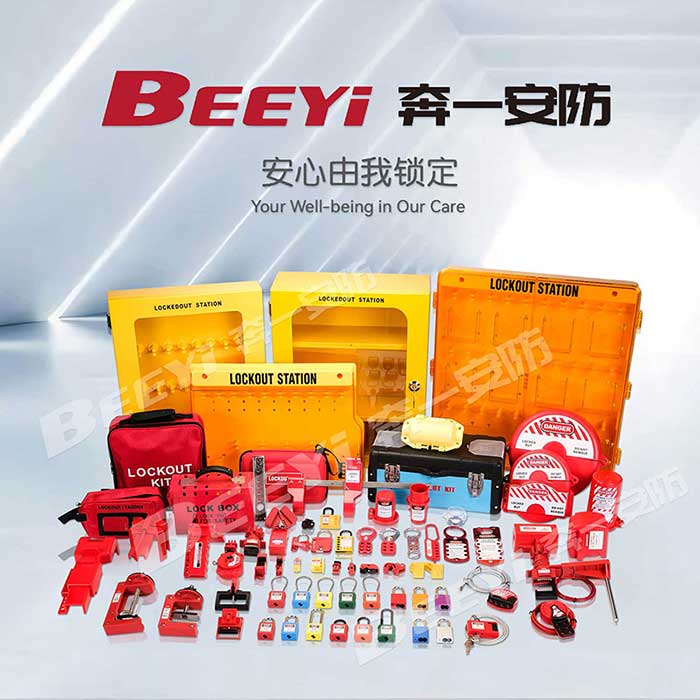
In this article, we will provide a comprehensive Lockout Hasps Installation Guide, outlining the correct procedures for installing and using lockout hasps to ensure maximum safety in any workplace environment. Understanding Lockout Hasps and Their Importance Before diving into the installation process, it’s important to understand the function and significance of lockout hasps. These devices are used in situations where more than one worker is involved in maintaining or servicing equipment. The hasp allows each worker to lock their individual lock on a single isolation point, ensuring that no one can inadvertently start or release energy from the system while maintenance is underway. This method is essential for ensuring worker safety, as it prevents machine startup and energy discharge, which can result in serious accidents or injuries.