In industrial settings, safety is of paramount importance, especially when it comes to preventing accidental injuries during maintenance or repair tasks. One crucial safety measure used in these environments is the Lockout/Tagout (LOTO) system, and a key component of this system is the Lockout Hasps. This article will delve into the role of Lockout Hasps factories, their manufacturing process, and the importance of these devices in promoting workplace safety.
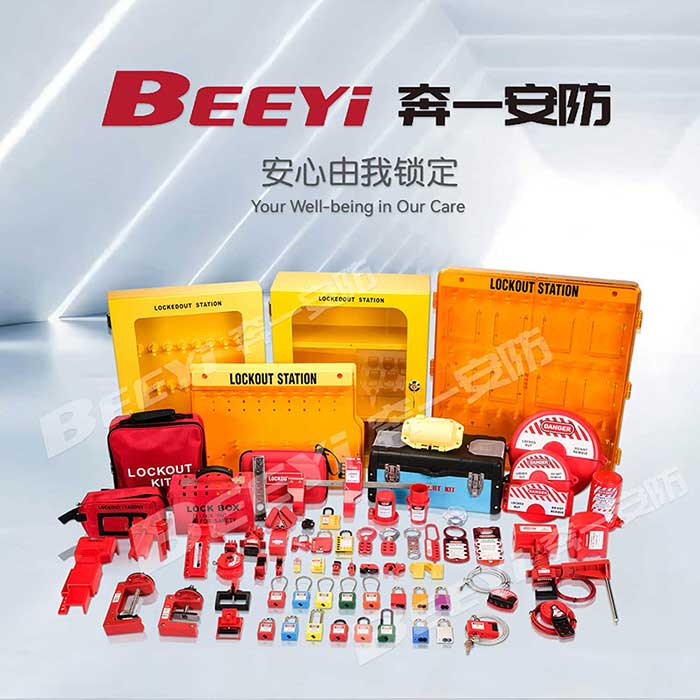
The Role of Lockout Hasps in Industrial Safety Lockout Hasps are devices designed to secure energy-isolating mechanisms, such as electrical panels, valves, or mechanical parts, during maintenance or servicing. Their primary function is to prevent the accidental release of hazardous energy—such as electricity, steam, or compressed air—while workers are performing maintenance tasks. By preventing unauthorized access and ensuring that only authorized personnel can release or remove the lock, these devices play a critical role in protecting workers from potentially fatal accidents. In most industrial environments, machines and equipment can store energy even after being powered down. Without a reliable method to lock out such equipment, workers are at risk of being injured if the machinery unexpectedly turns on. Lockout Hasps solve this problem by allowing workers to lock the energy-isolating devices with their own individual locks, ensuring that no one else can inadvertently unlock the system and energize the equipment.