Introduction
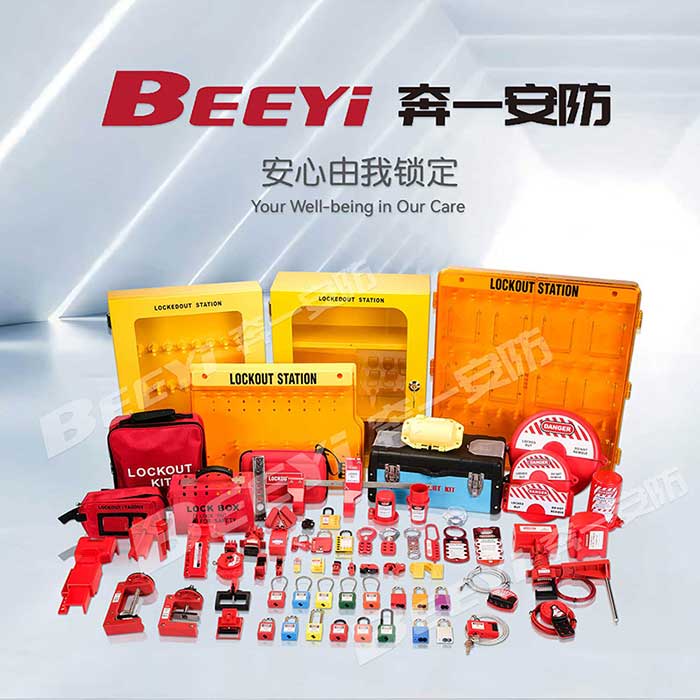
In industrial environments, ensuring the safety of workers during equipment maintenance is of paramount importance. One critical component in achieving this safety is the use of Lockout Hasps, an essential tool in the Lockout/Tagout (LOTO) safety procedure. Lockout Hasps prevent the accidental release of hazardous energy, protecting workers from injuries caused by the unexpected activation of machinery or equipment during repair or servicing. This article explores the application, importance, and benefits of Lockout Hasps in maintaining workplace safety. What are Lockout Hasps? A Lockout Hasp is a safety device that is used to isolate the energy source of machinery, ensuring that equipment remains de-energized during maintenance. The Hasp is typically a metal or plastic ring that can be attached to energy-isolating devices such as electrical switches, valves, or other control mechanisms. Workers can then attach their individual locks to the Hasp, thereby preventing unauthorized or accidental activation of the machinery while it is being serviced. Lockout Hasps come in various types, including single-lock and multi-lock versions, and they are designed to work in conjunction with personal locks used by the maintenance team.