In industrial environments, the safety of workers is paramount. Ensuring that machinery and equipment are properly locked out during maintenance or repair is critical to prevent accidental startup, which could lead to serious injuries or fatalities. One of the most widely used safety tools for this purpose is the Lockout Hasps application. This device plays a vital role in enforcing lockout/tagout (LOTO) safety procedures, which are designed to prevent unauthorized or accidental operation of machines and equipment during maintenance.
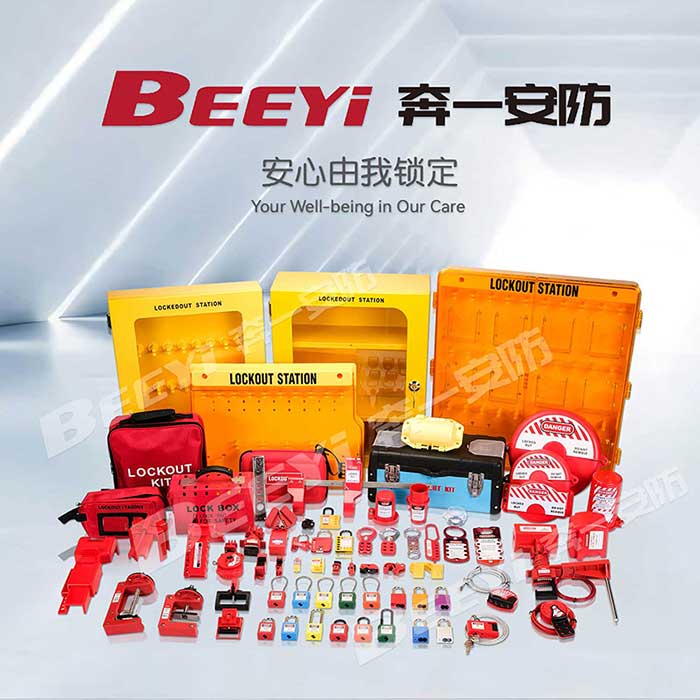
What are Lockout Hasps? A Lockout Hasp is a simple yet highly effective device that serves as a central locking point for multiple workers. It is typically made of durable metal or plastic and is used to secure energy-isolating devices (such as circuit breakers, valves, or switches) in the “off” position. The Hasp provides a way for different workers to apply their individual locks to the same energy-isolating device, ensuring that no one can inadvertently start the machine while someone else is working on it. The Lockout Hasps application is most often found in facilities where large or hazardous machinery needs regular maintenance or where multiple workers might be involved in a single job. Its core purpose is to prevent accidental release of hazardous energy while workers are engaged in tasks like repair, cleaning, or maintenance.