Lockout Hasps are an integral part of the Lockout/Tagout (LOTO) safety procedures used in various industries to ensure the protection of workers from hazardous energy during maintenance or repair work. These simple yet essential devices are designed to prevent machines, electrical systems, or other equipment from accidentally starting up while being serviced. In this article, we will explore the significance of Lockout Hasps, their different types, their applications in different industries, and the overall impact they have on safety and operational efficiency.
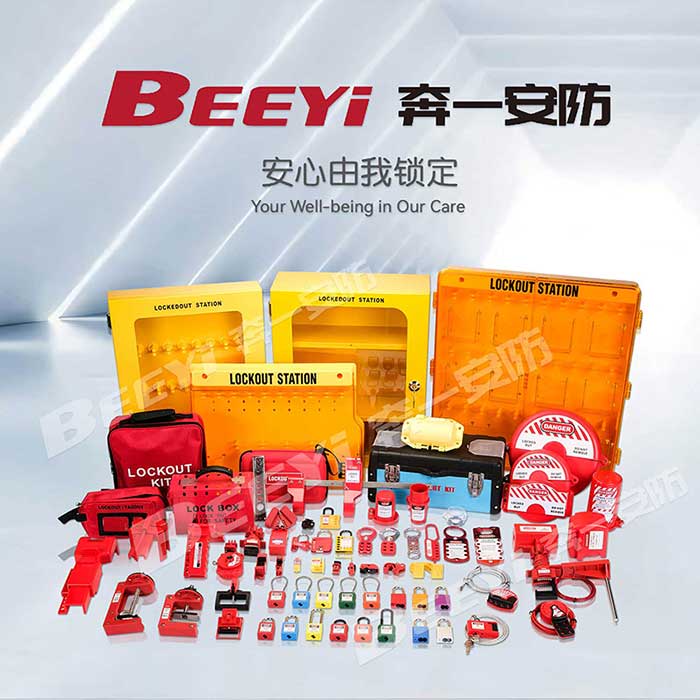
What are Lockout Hasps? A Lockout Hasp is a safety device that enables workers to securely lock out equipment or machinery that requires servicing. It typically consists of a metal or plastic hasp with multiple lock holes, allowing multiple locks to be applied simultaneously. Each worker involved in the maintenance or repair process can apply their own lock to the hasp, ensuring that no one can operate the equipment without the knowledge of the others. The key feature of the Lockout Hasp is its ability to prevent unauthorized access to the machinery, ensuring that the equipment remains in a safe state while the work is being performed.