In any industrial or manufacturing setting, worker safety is of paramount importance. One critical tool in ensuring workplace safety is the Lockout Hasps system. Lockout hasps are simple yet effective devices used to secure machines, equipment, and energy sources during maintenance or repair work. They are designed to prevent unauthorized access and accidental operation, safeguarding both workers and equipment from harm. This article explores the significance of Lockout Hasps, their features, and how they contribute to workplace safety.
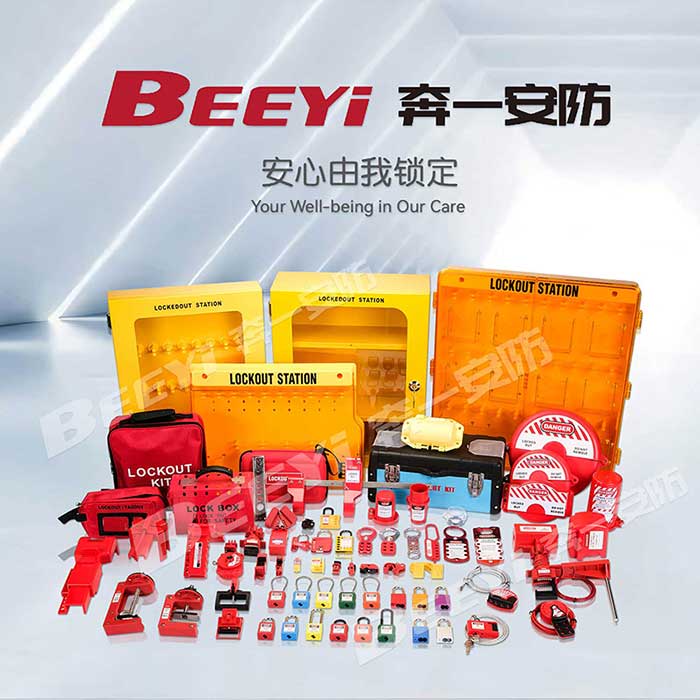
What Are Lockout Hasps? A Lockout Hasp is a safety device typically used as part of a Lockout/Tagout (LOTO) program. These devices are designed to isolate energy sources, including electrical, mechanical, hydraulic, and pneumatic systems, to prevent equipment from being accidentally energized or operated while being serviced. Lockout hasps are generally made of durable materials like steel or aluminum, making them resistant to corrosion and able to withstand tough industrial conditions.
Lockout hasps typically feature multiple holes where different padlocks can be attached. Each lock is keyed differently, ensuring that only authorized personnel have access to the equipment. The device functions by physically locking off a system or machine, and only those with the correct key can unlock it, ensuring that workers are not exposed to potential hazards.