In industrial settings, ensuring the safety of workers is a paramount concern, especially when it comes to equipment maintenance or repair. One of the most effective safety procedures implemented to protect workers from potential accidents during such tasks is the Lock Out Tag Out (LOTO) protocol. This practice is designed to control hazardous energy sources and prevent equipment from being unintentionally activated while maintenance work is being performed. Lock Out Tag Out is not only a critical procedure for worker safety but is also a legal requirement in many countries.
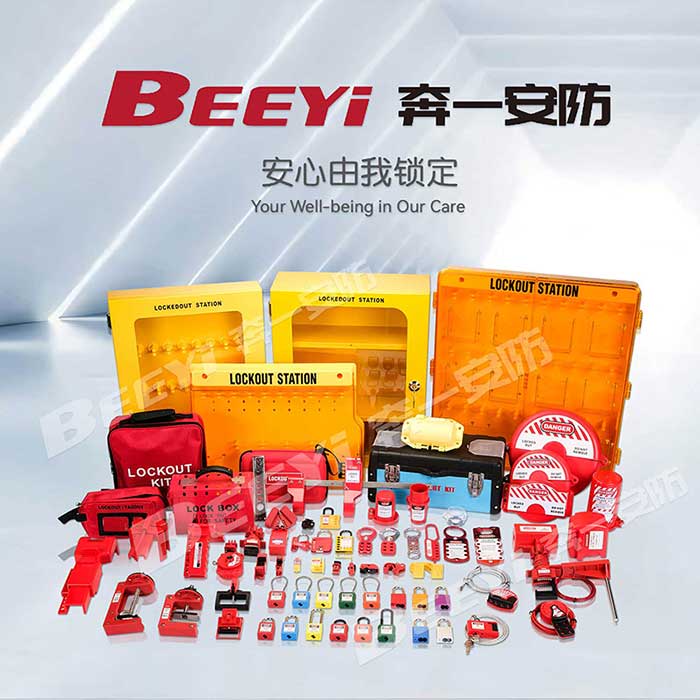
Understanding Lock Out Tag Out The core concept of Lock Out Tag Out revolves around two main components: locking out the energy source and tagging out the equipment to inform others that the machine is undergoing maintenance. These measures ensure that workers are not exposed to potentially dangerous situations, such as machinery starting unexpectedly or releasing stored energy. LOTO helps eliminate the risks associated with unintended machine startups, electrical shocks, hazardous material leaks, and moving machinery parts. Locking Out refers to the process of physically isolating a machine or equipment from its energy source by using a lock or a lockout device. This ensures that no one can turn the equipment on while it is being repaired or maintained. Tagging Out, on the other hand, involves placing a warning tag on the equipment to notify others that maintenance is taking place and that the machine should not be operated.