The ever-growing demand for high-performance lithium-ion batteries across various industries, from electric vehicles (EVs) to renewable energy storage, has put a spotlight on the components that ensure these batteries operate safely and efficiently. One critical part of lithium-ion batteries is the valve. A Lithium Battery Valve OEM (Original Equipment Manufacturer) plays a pivotal role in designing and supplying these essential components, which regulate internal pressure and prevent dangerous situations such as thermal runaway or leakage. In this article, we will explore the role and significance of Lithium Battery Valve OEM manufacturers, their manufacturing processes, and the importance of these valves in ensuring the longevity and safety of lithium-ion batteries.
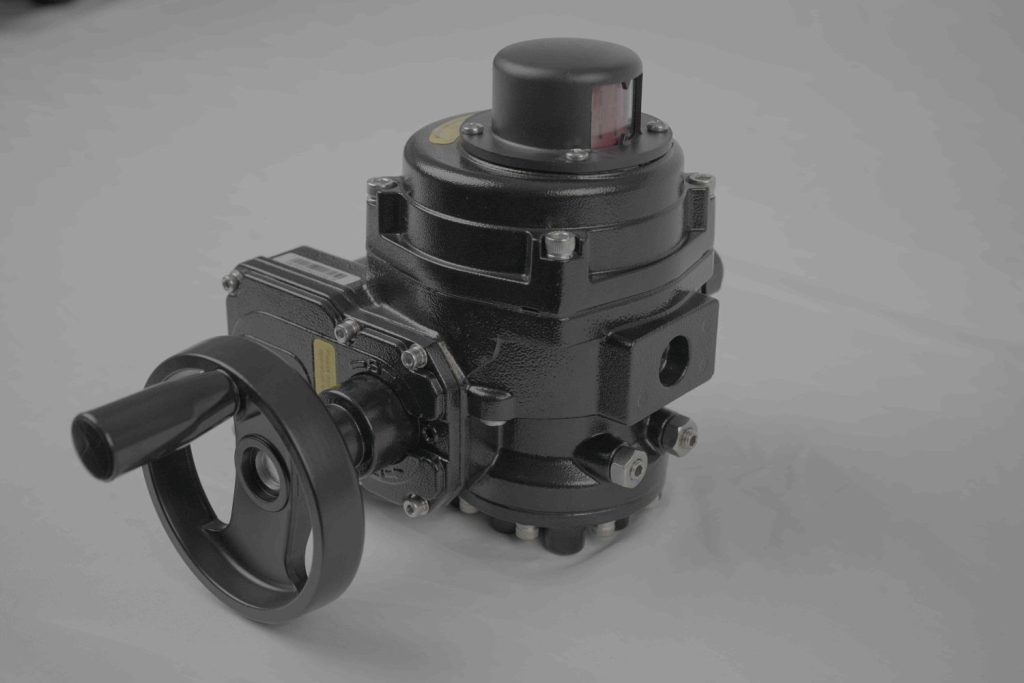
Understanding the Role of Lithium Battery Valves Lithium-ion batteries are known for their high energy density, compact size, and long cycle life, making them the preferred power source for numerous applications. However, like all batteries, lithium-ion cells must be carefully managed to avoid safety hazards. One of the critical safety features in lithium-ion batteries is the valve, which acts as a protective mechanism to control internal pressure buildup. As a battery charges and discharges, internal chemical reactions can lead to gas generation. If the pressure inside the battery becomes too high, it could result in leakage, rupture, or even an explosion. A properly designed lithium battery valve helps prevent such risks by regulating the internal pressure, allowing gas to safely escape without compromising the battery’s integrity.