Li-ion (Lithium-ion) batteries have become the go-to power source for a wide variety of applications, from electric vehicles to portable electronic devices. As the demand for efficient, long-lasting, and safe battery systems grows, so does the need for advanced technologies that manage and protect these batteries. One such technology is the Li-ion Battery Relay—a critical component in the effective functioning of battery management systems (BMS). This article explores the role, benefits, and applications of Li-ion Battery Relays, highlighting their importance in optimizing battery performance and safety.
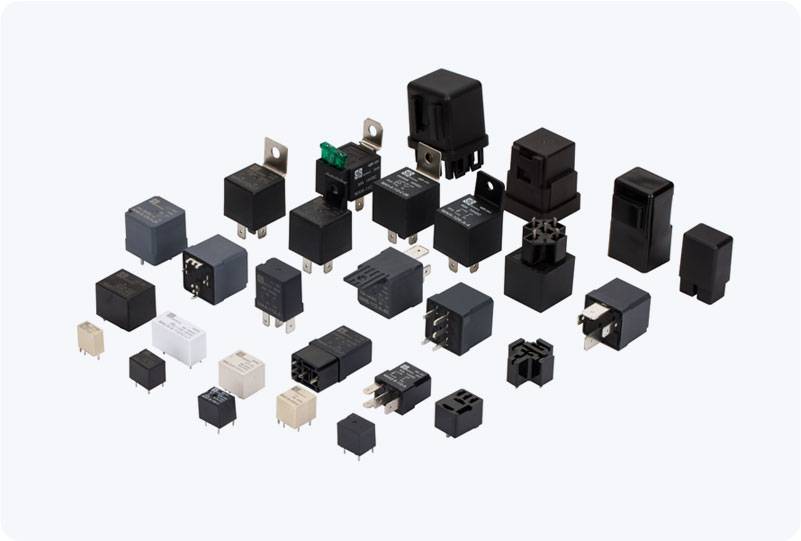
What is a Li-ion Battery Relay? A Li-ion Battery Relay is an electrical switch used to control the flow of current between a lithium-ion battery and the rest of the system, such as a charging circuit, load, or power conversion unit. It functions by opening or closing the circuit, depending on the state of the battery and the conditions within the system. The relay acts as an on-off switch for power delivery, ensuring that the battery operates within safe voltage and current limits. How Does It Work? The Li-ion Battery Relay is typically part of the larger Battery Management System (BMS), which is responsible for monitoring battery health, ensuring proper charging/discharging cycles, and maintaining safety protocols. When the relay is activated, it either allows or blocks current flow based on various factors, such as: