In modern electrical systems, reliability and efficiency are paramount. One crucial component that significantly contributes to achieving both is the Latching Relay. Commonly used in power systems, latching relays offer advantages over traditional relays, such as lower power consumption and improved durability. This article explores the working principles, applications, and benefits of using latching relays in power systems, highlighting their role in enhancing the performance and longevity of electrical circuits.
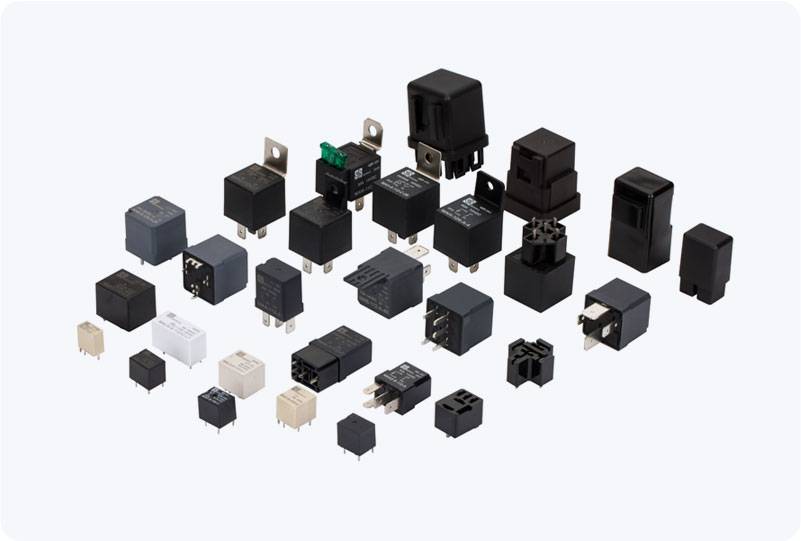
Understanding Latching Relays A latching relay, also known as a bistable relay, is a type of relay that holds its position after the triggering current is removed. Unlike traditional relays, which return to their default state when the power is turned off, a latching relay maintains its last position until it receives a new command to switch. This unique feature allows the relay to retain its state without the need for continuous power supply, which is particularly useful in power systems where reducing power consumption and increasing system efficiency are essential. A latching relay operates in two primary states:
Leave a Reply