In modern power systems, maintaining efficient and reliable control of electrical circuits is paramount. One component that plays a vital role in achieving this is the latching relay. Unlike traditional relays that require continuous electrical current to maintain their position, latching relays offer the unique ability to “latch” or “lock” into a specific state (either open or closed) without requiring ongoing power. This characteristic makes latching relays indispensable in power systems where reliability and energy conservation are crucial.
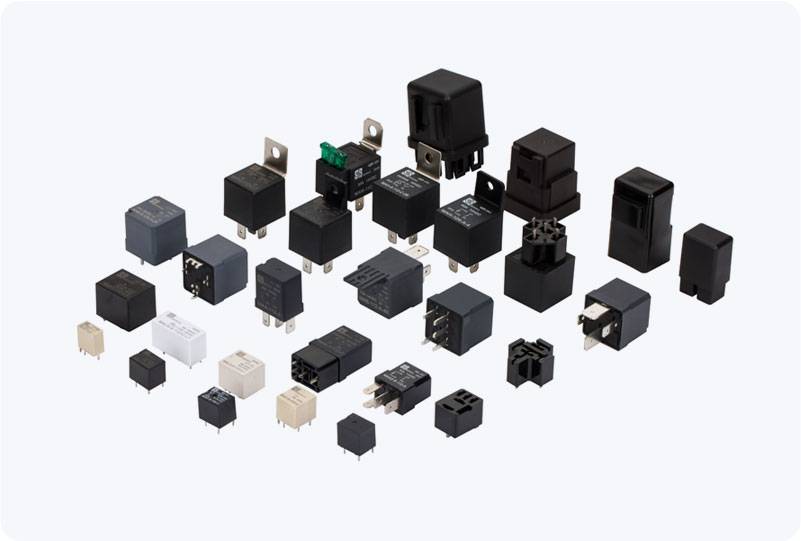
The Working Principle of Latching Relays A latching relay, also known as a bistable relay, consists of two stable states—ON and OFF. When an electrical pulse is applied, the relay changes from one state to another, and it remains in that state even after the pulse ceases. This makes it significantly different from regular relays, which need continuous current to stay in a particular state. Essentially, a latching relay “remembers” its position, holding the switch in place until the opposite pulse is received. The mechanism behind this latching function typically involves a pair of permanent magnets or a mechanical latch within the relay. These components ensure that once the relay is activated, it stays in the chosen state. The benefit of this feature is evident in power systems where energy efficiency is a priority.