In modern power systems, maintaining reliability and efficiency is a top priority. As such, the use of specialized components that enhance energy management and operational stability has become essential. One such component is the latching relay, which plays a crucial role in power systems by offering reliable switching operations while minimizing energy consumption. This article explores the significance of latching relays, their functioning, applications, and benefits in power systems.
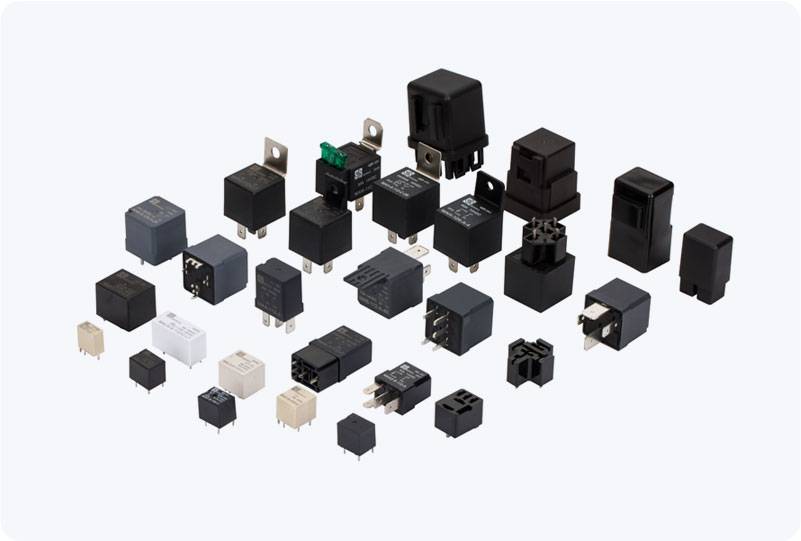
What is a Latching Relay? A latching relay, also known as a bistable relay, is an electrical switch that retains its position (either “on” or “off”) even after the power to its coil is removed. Unlike traditional relays, which require continuous power to maintain their state, a latching relay only needs a brief pulse of electricity to switch between its two stable positions. Once activated, it holds the state indefinitely until another pulse is sent to change it. This makes it an energy-efficient alternative in many power system applications. How Does a Latching Relay Work? Latching relays operate using a pulse signal to switch between two stable states. When the relay coil is energized, the mechanism inside the relay shifts the contact from one state to the other. Once the power is removed, the relay remains in that position. To change the state, another pulse of energy is applied, which switches the relay to the opposite state. This operation is highly efficient because the relay doesn’t require continuous power to maintain its position.