Introduction
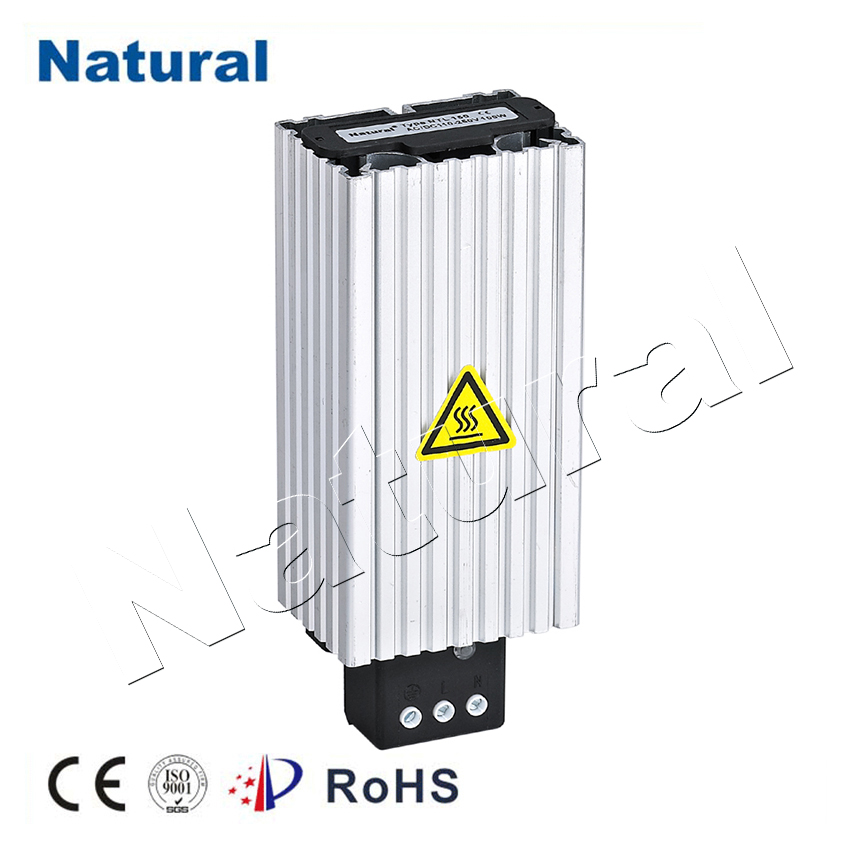
Industrial heaters play a crucial role in various sectors, ensuring processes run smoothly by providing the necessary heat. From manufacturing to oil and gas, these devices are indispensable in maintaining optimal operating conditions. Over the years, significant advancements have been made in industrial heater technology, leading to increased efficiency, better performance, and reduced environmental impact. Efficiency Through Smart Design One of the notable innovations in industrial heaters is the emphasis on smart and efficient design. Traditional heaters often suffered from heat loss and uneven distribution, leading to energy wastage. Modern industrial heaters incorporate advanced materials and engineering to mitigate these issues. Ceramic and mica band heaters, for instance, utilize high-quality insulation materials that minimize heat dissipation, resulting in enhanced energy efficiency. Digital temperature controllers have also revolutionized heater efficiency. These controllers allow for precise temperature regulation, preventing unnecessary energy consumption and reducing wear and tear on the heating elements. Additionally, the integration of sensors and feedback mechanisms ensures that heaters operate at optimal levels, responding dynamically to changes in the surrounding environment. Performance Enhancement through Technology Industrial heaters have evolved significantly in terms of performance as well. The introduction of finned tubular heaters has greatly increased the surface area available for heat transfer. This innovative design leads to quicker heating and more efficient overall performance. These heaters are widely used in air heating applications, such as HVAC systems, where rapid temperature adjustment is essential. In industries where stringent temperature requirements must be met, advancements in electric circulation heaters have been pivotal. These heaters utilize circulation pumps to maintain a consistent flow of fluid while applying heat. Such precision is vital in processes like chemical manufacturing and food production, where temperature variations could lead to compromised product quality. Eco-Friendly Solutions The industrial sector’s growing focus on sustainability has also influenced heater technology. Innovations in this space include the development of electric infrared heaters. These heaters generate infrared radiation that directly heats objects and surfaces without warming the surrounding air. This approach is not only energy-efficient but also reduces the risk of heat-related accidents and minimizes the overall carbon footprint. Furthermore, the integration of renewable energy sources, such as solar and wind power, into industrial heater systems has gained traction. By utilizing clean energy to generate heat, companies can significantly reduce their environmental impact while still meeting their operational needs. Conclusion In conclusion, the realm of industrial heaters has experienced remarkable advancements, reshaping the way industries operate. The emphasis on efficiency through smart design, the enhancement of performance using cutting-edge technology, and the adoption of eco-friendly solutions all contribute to a more sustainable and productive industrial landscape. As industries continue to evolve, so too will industrial heaters, playing a crucial role in the march towards a more efficient and environmentally conscious future.