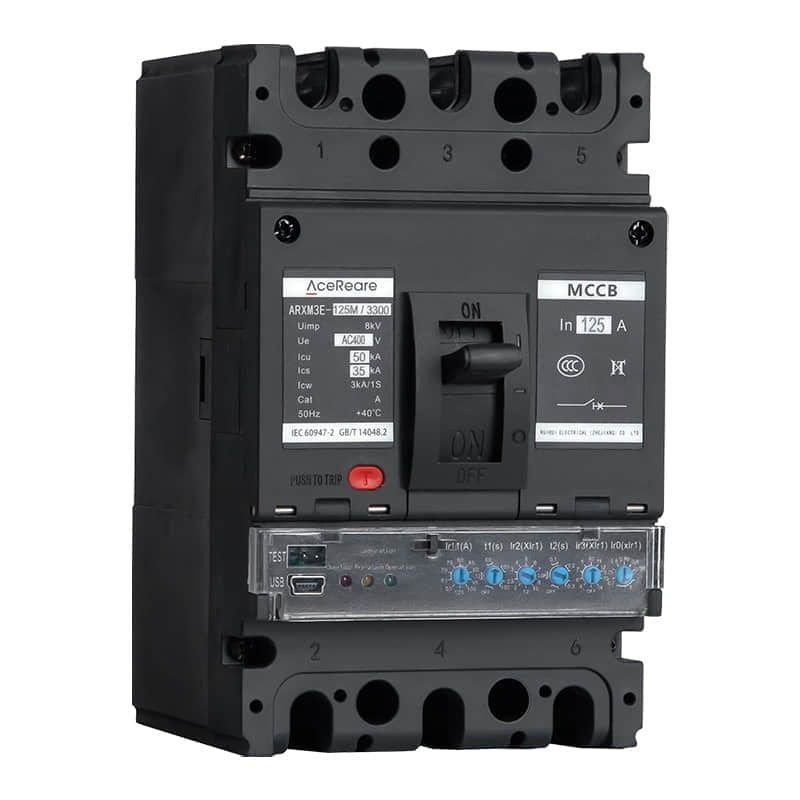
In the ever-evolving landscape of electrical systems, the role of electronic circuit breakers has become increasingly crucial. These devices serve as the first line of defense, safeguarding equipment and installations against overloads and short circuits. Behind the scenes of this technological advancement lies the diligent work of manufacturers specializing in electronic circuit breakers.
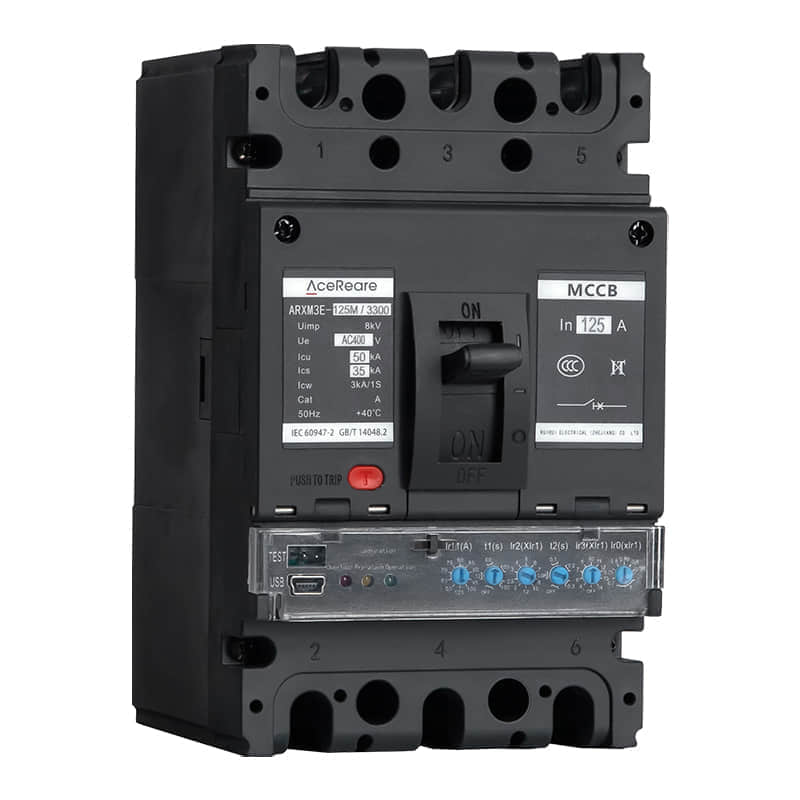
The manufacturer of electronic circuit breakers plays a pivotal role in shaping the modern electrical industry. With a blend of innovation, precision engineering, and a commitment to safety, these manufacturers have transformed the way power is distributed and managed. Let’s delve into the world of electronic circuit breaker manufacturing and explore the key factors that make it an essential part of our technological progress.
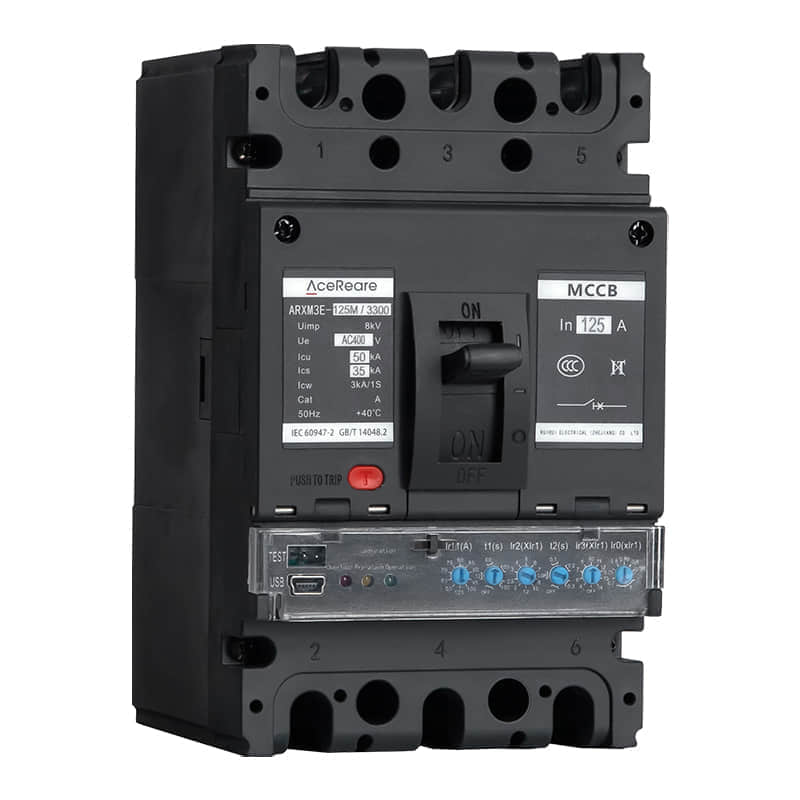
Cutting-edge Technology: Electronic circuit breakers have moved far beyond their traditional electromechanical counterparts. Manufacturers are now integrating microprocessors, sensors, and advanced algorithms into their designs. These innovations enable electronic circuit breakers to not only interrupt faulty currents but also provide insights into power usage patterns. By analyzing this data, businesses and households can optimize their energy consumption, leading to both cost savings and reduced environmental impact. Safety First: Ensuring safety in electrical systems is paramount, and electronic circuit breakers play a vital role in achieving this goal. Manufacturers meticulously design their products to respond swiftly and accurately to electrical faults. The use of advanced materials and testing procedures guarantees that these circuit breakers can endure the stresses of daily operations while consistently delivering reliable protection. Customization and Adaptability: Each application may have unique requirements, demanding circuit breakers with varying capacities and characteristics. Manufacturers recognize this diversity and offer a wide range of products to suit different needs. Whether it’s for industrial machinery, commercial buildings, or residential complexes, electronic circuit breakers can be tailored to specific voltage and current demands. Remote Control and Monitoring: Modern electronic circuit breakers can be integrated into smart grid systems, allowing for remote control and real-time monitoring. This feature is invaluable for maintenance crews, as it enables them to identify and address issues without physically accessing the circuit breaker. Manufacturers are at the forefront of developing these smart solutions, contributing to the digitization and automation of the power distribution sector. Efficiency and Reliability: The electronic circuit breaker’s ability to rapidly detect and isolate faults contributes to the overall stability of electrical networks. By preventing overloads and short circuits from propagating, these devices help in maintaining uninterrupted power supply. Manufacturers continuously refine their designs to enhance efficiency and reliability, supporting the seamless functioning of critical infrastructure. Environmental Considerations: As sustainability takes center stage, electronic circuit breaker manufacturers are also striving to minimize their products’ environmental impact. This includes utilizing eco-friendly materials in production, designing circuit breakers with higher energy efficiency, and facilitating easier recycling processes at the end of the product’s lifecycle. Global Impact: The work of electronic circuit breaker manufacturers extends across borders, providing essential components for infrastructure projects worldwide. Their contributions enable the electrification of remote areas, the expansion of urban centers, and the advancement of industries. This global reach underscores the significance of their role in modern society. In conclusion, the manufacturer of electronic circuit breakers occupies a crucial position in the realm of technological progress. Through innovative designs, a focus on safety, adaptability to diverse needs, integration with smart systems, and a commitment to efficiency and sustainability, these manufacturers drive the evolution of electrical systems. As we continue to rely on electricity for every facet of life, their contributions remain essential in shaping a safer, more efficient, and interconnected world.