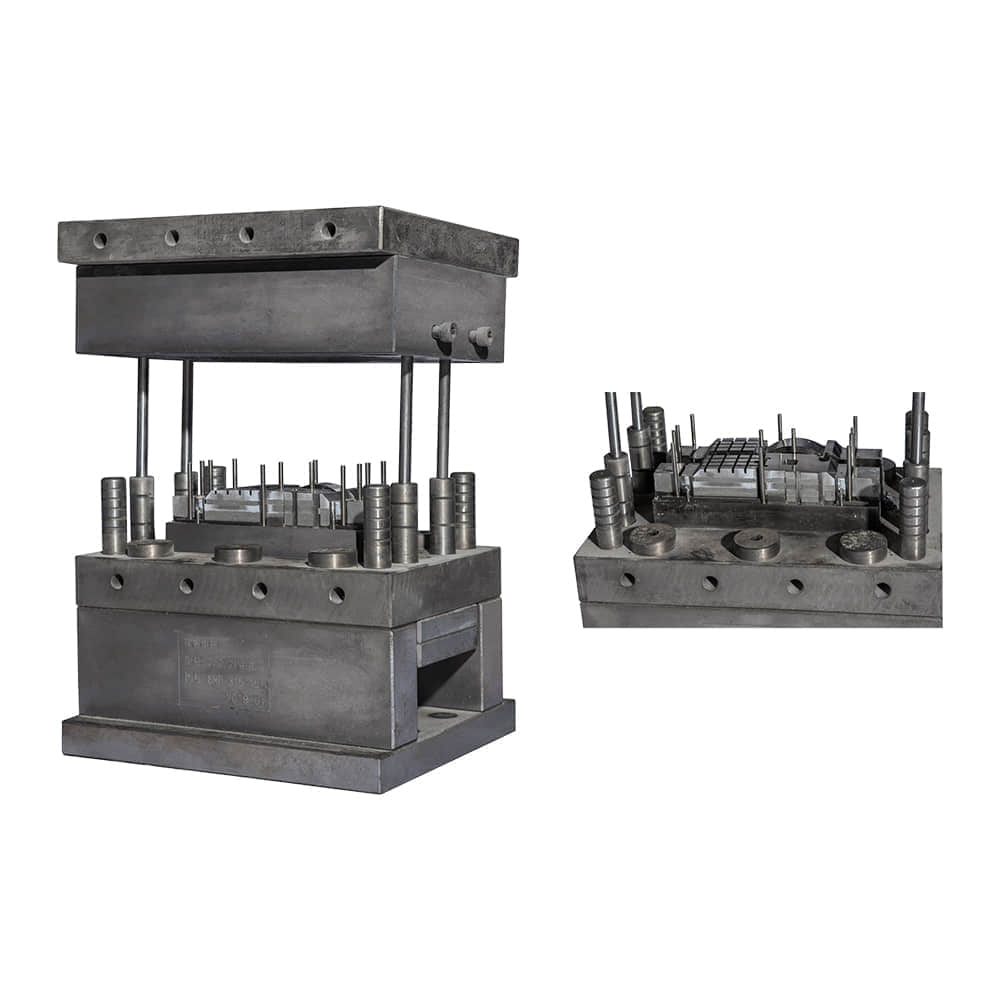
In today’s rapidly evolving manufacturing landscape, BMC (Bulk Molding Compound) molding has emerged as a pivotal technology that reshapes industries across the globe. As an advanced manufacturing process, BMC molding offers a range of advantages that drive innovation, enhance product quality, and promote sustainability. In this article, we delve into the world of BMC molding manufacturers, exploring their role in revolutionizing various sectors.
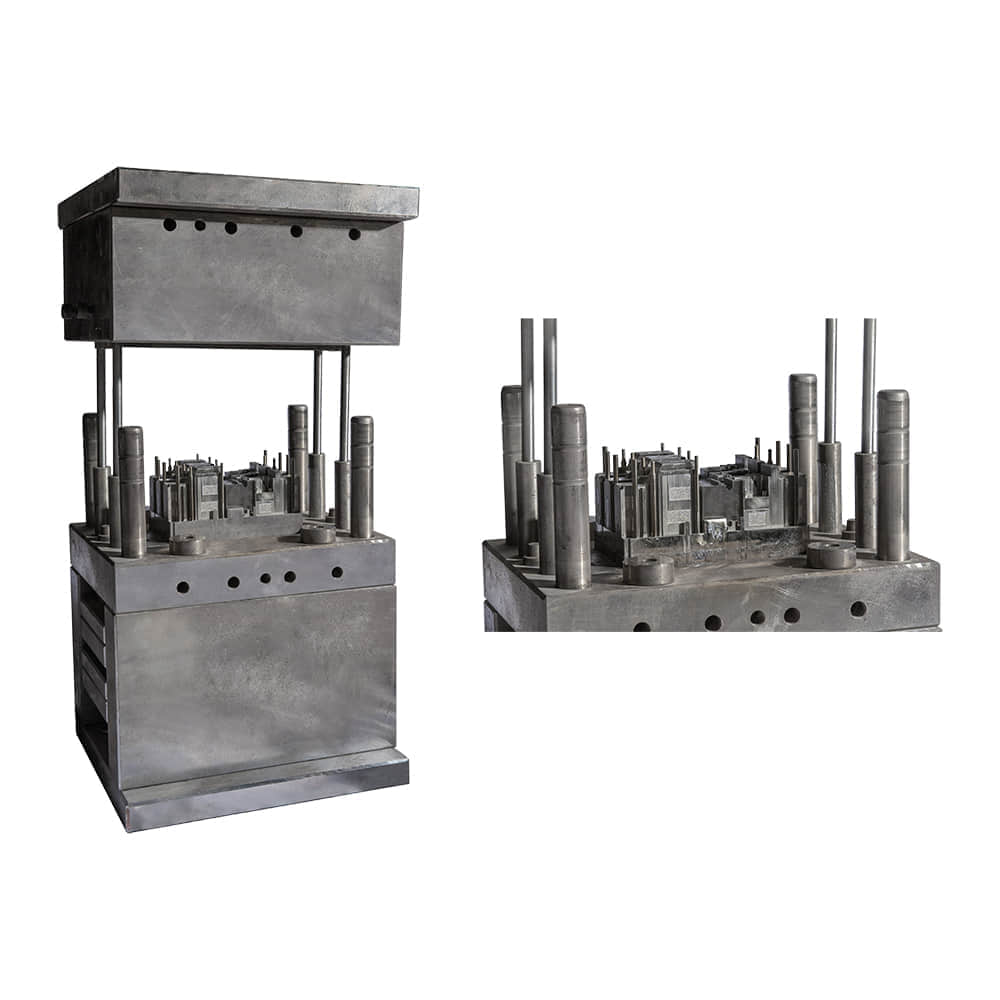
BMC molding involves the fabrication of complex parts through the compression molding of thermoset materials, typically a mixture of chopped fiberglass, resin, fillers, and additives. This versatile technique is renowned for producing components with exceptional dimensional accuracy, intricate detailing, and high strength-to-weight ratios. Consequently, BMC-molded products find applications in diverse industries, including automotive, electronics, aerospace, and consumer goods.
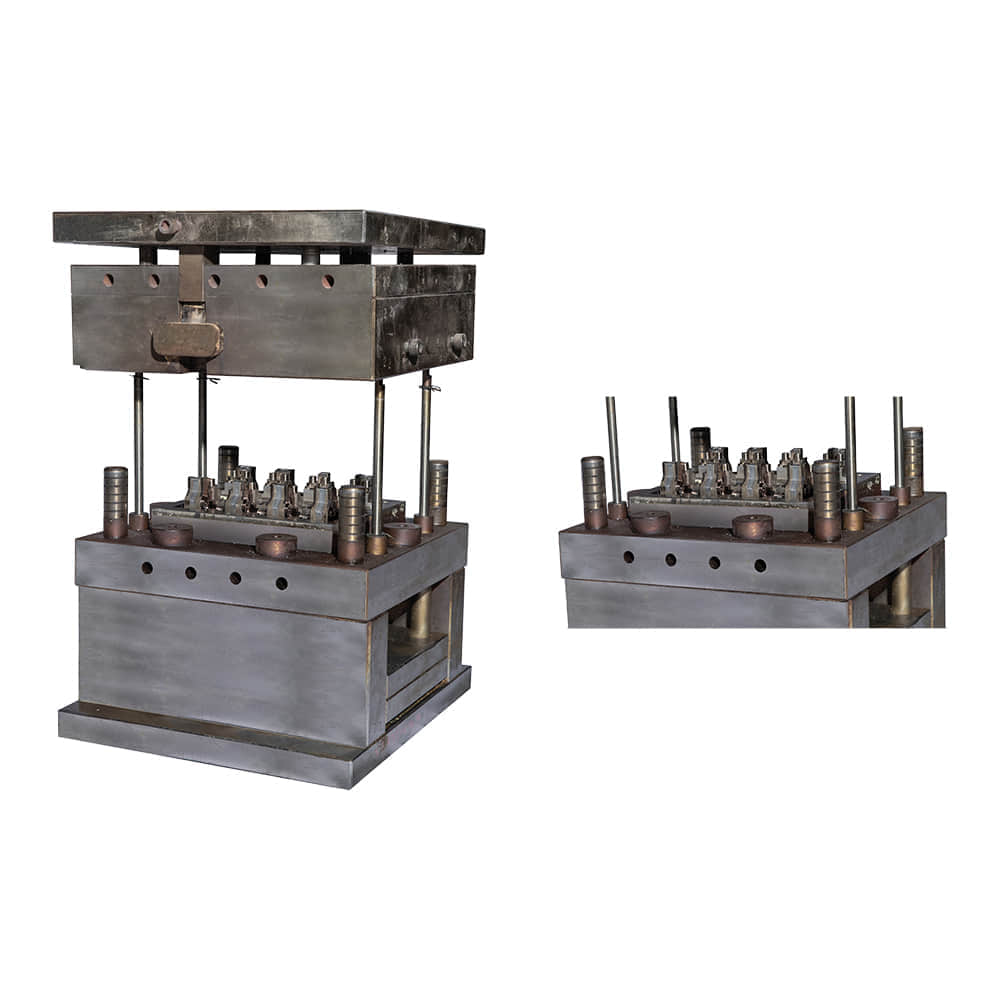
One of the standout features of BMC molding is its ability to create components with excellent thermal and electrical insulation properties. This makes it a preferred choice for manufacturing electrical enclosures, connectors, and automotive components like lighting systems and engine parts. The inherent flame resistance of BMC-molded parts further enhances their suitability for critical applications. BMC molding manufacturers have played a significant role in reshaping the automotive industry. With the automotive sector’s increasing focus on lightweighting to improve fuel efficiency and reduce emissions, BMC molding offers an ideal solution. Manufacturers can create intricate designs that integrate various functionalities into a single component, reducing the need for assembly of multiple parts. This not only reduces weight but also minimizes assembly costs and potential points of failure. Moreover, BMC molding facilitates the production of components with a smooth surface finish straight out of the mold. This eliminates the need for additional finishing processes, saving time, labor, and resources. In the electronics industry, BMC-molded components find use in housings for sensitive equipment due to their exceptional dielectric properties and shielding capabilities against electromagnetic interference. Sustainability is a pressing concern in modern manufacturing, and BMC molding aligns well with eco-friendly practices. The process generates minimal waste, as excess material from one production cycle can be reused in the next. Additionally, the durability and longevity of BMC-molded parts contribute to extended product lifecycles, reducing the overall environmental impact. As industries strive to adopt greener practices, BMC molding presents an avenue for sustainable manufacturing. The innovation in BMC molding is not solely limited to the manufacturing process but also extends to material development. Manufacturers are continually experimenting with different resin formulations, fillers, and additives to enhance the mechanical, thermal, and electrical properties of BMC-molded products. This drive for innovation ensures that BMC molding remains at the forefront of technological advancements. In conclusion, BMC molding manufacturers are at the forefront of driving innovation, quality, and sustainability in various industries. Their ability to create intricate, lightweight, and high-performance components has revolutionized sectors like automotive and electronics. With an inherent focus on sustainability and ongoing material advancements, BMC molding continues to shape the future of manufacturing. As industries evolve and new challenges arise, BMC molding manufacturers are poised to provide solutions that propel innovation to even greater heights.