Industrial power relays play a crucial role in motor control systems, enabling the smooth operation of electric motors across various industries. These relays act as switches, regulating the flow of electricity to motors, and ensuring their safe operation under varying load conditions. In this article, we will explore the importance, working principles, types, and applications of industrial power relays in motor control systems, along with their benefits in enhancing performance and reliability.
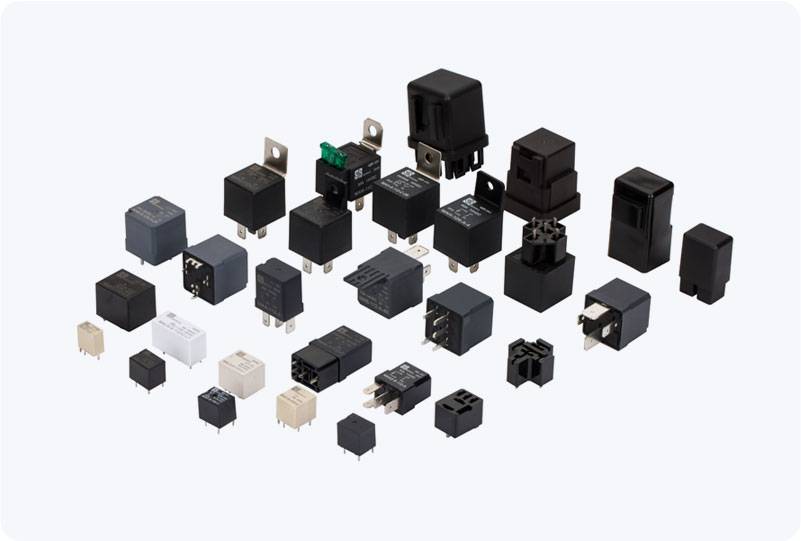
What is an Industrial Power Relay for Motor Control? An industrial power relay for motor control is an electromagnetic switch designed to handle high power and voltage levels, often used to control electric motors in industrial and commercial applications. These relays control the on/off status of motors, and some models can even reverse the direction of rotation, providing flexibility in motor operation. By connecting and disconnecting electrical circuits, they protect motors from damage due to overcurrent, overheating, or other faults. How Does an Industrial Power Relay Work? The fundamental principle behind an industrial power relay is electromagnetism. When an electrical current passes through the coil of the relay, it generates a magnetic field. This magnetic field attracts a movable armature or iron core, which in turn activates the relay’s contacts (either normally open or normally closed). These contacts open or close, thus allowing or interrupting the flow of current to the motor.