Industrial Control Relays (ICRs) are pivotal components in the modern industrial world, ensuring efficient automation and safeguarding electrical systems. Whether it’s controlling the operation of motors, protecting circuits from overloads, or switching between various electrical paths, these relays are indispensable in providing reliable control and protection to a wide range of industrial processes. In this article, we’ll explore the core functionalities, applications, and types of industrial control relays, highlighting their crucial role in industrial operations.
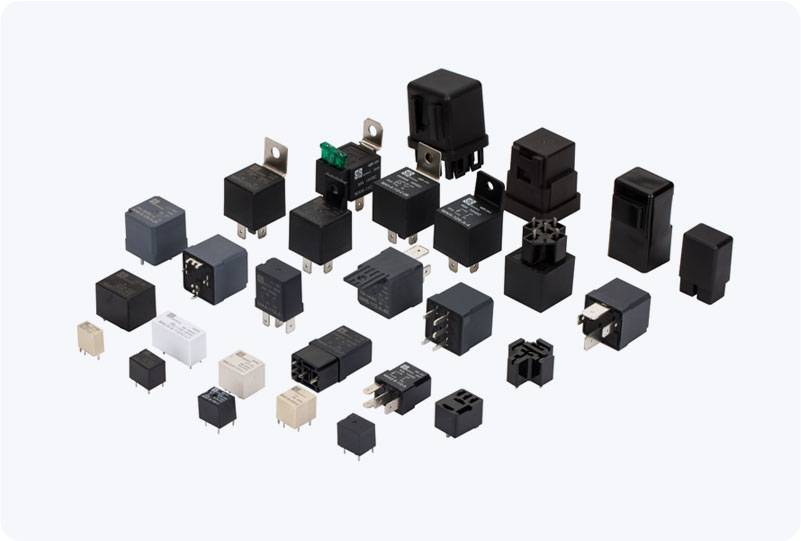
What is an Industrial Control Relay? An Industrial Control Relay is an electromechanical device designed to switch electrical circuits on and off. By utilizing electromagnetic force, these relays can control large electrical currents using a small control signal. Typically, they consist of an electromagnetic coil, a set of contacts, and a housing. When an electric current is applied to the coil, it generates a magnetic field that pulls or pushes a contact into the desired position, either opening or closing the circuit. This action can either start, stop, or regulate the operation of machinery or equipment, making ICRs an integral part of industrial control systems.