In industrial environments, safety is paramount, especially when dealing with complex machinery and hazardous materials. One of the critical tools used to enhance worker safety is the Valve Lockout Device. These devices are designed to prevent accidental or unauthorized operation of valves during maintenance or repair tasks. By ensuring that valves remain in a secure position, lockout devices provide a crucial layer of protection against potential accidents, such as the accidental release of harmful substances or the unexpected activation of equipment.
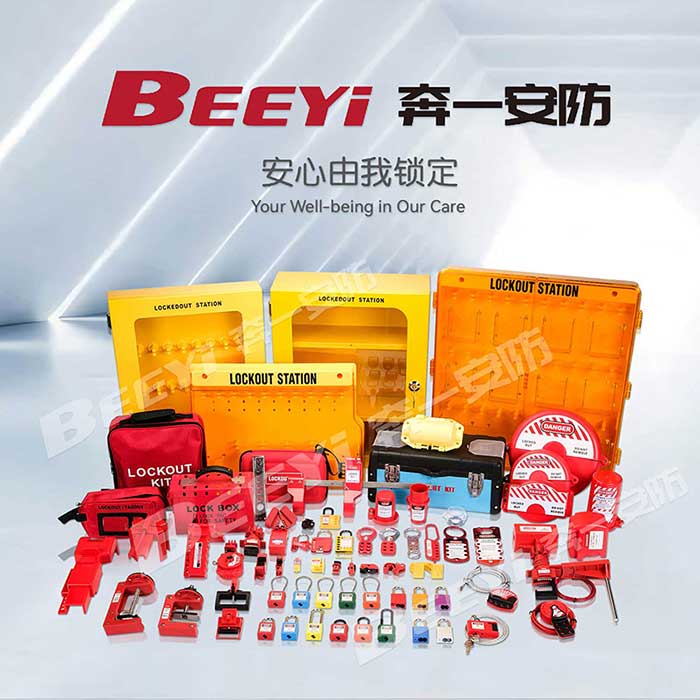
What is a Valve Lockout Device? A Valve Lockout Device is a safety mechanism that is applied to valves to physically lock them in either the open or closed position. The device ensures that, during maintenance or repair work, the valve cannot be turned or tampered with until the lock is removed by an authorized person. These devices are typically made from durable materials such as heavy-duty plastic or metal, ensuring they withstand tough industrial environments, including exposure to chemicals, high temperatures, and mechanical stress. Lockout devices come in various shapes and designs to accommodate different types of valves, including ball valves, gate valves, and butterfly valves. They are an integral part of lockout/tagout (LOTO) safety procedures, which are designed to prevent accidents and injuries caused by the accidental release of energy or materials during maintenance.