Lockout/Tagout (LOTO) equipment plays a critical role in industrial safety, ensuring that machinery and energy sources are properly secured during maintenance or repair. The process of Lockout/Tagout is designed to prevent unexpected startup or release of hazardous energy, which can cause serious injuries or even fatalities. In this article, we will explore the importance of LOTO equipment, its application, and its role in protecting workers in industrial environments.
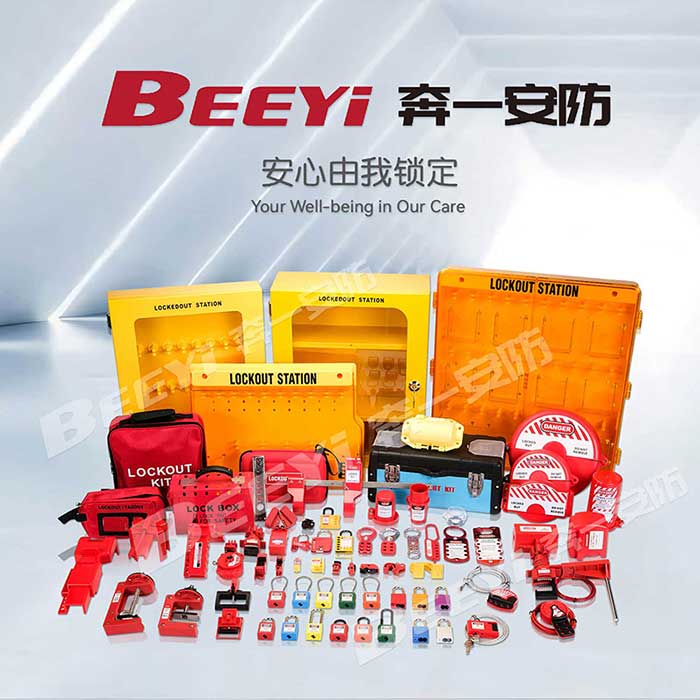
What is Lockout/Tagout? Lockout/Tagout refers to a set of safety protocols used to control hazardous energy during maintenance activities. The “lockout” aspect involves physically locking off equipment, while “tagout” refers to the use of tags that warn personnel that the equipment is under maintenance and should not be operated. LOTO is used across a variety of industries, including manufacturing, construction, energy production, and chemical processing. The Role of Lockout/Tagout Equipment The primary purpose of Lockout/Tagout equipment is to safeguard workers who are performing maintenance on machines or systems that could unexpectedly activate. Without these safety measures, machines could start up unexpectedly, releasing stored energy, which may result in injury or death. Lockout/Tagout equipment ensures that workers are protected from such hazards.