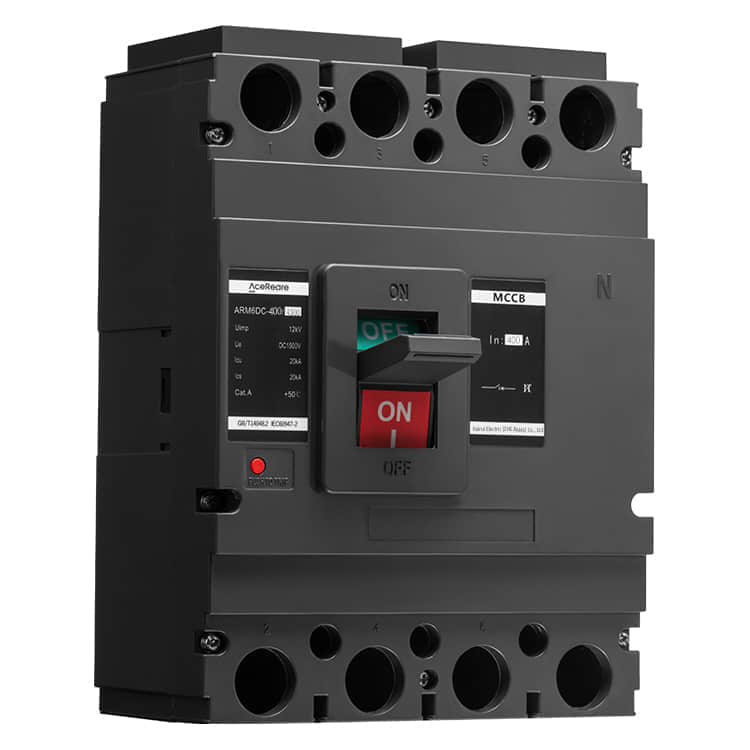
As the world turns towards sustainable and renewable energy sources, photovoltaic (PV) systems have emerged as a frontrunner in the race to reduce carbon footprints and meet energy demands. At the heart of these systems lie photovoltaic molded case circuit breakers, essential components that ensure the safety and efficiency of PV installations. This article sheds light on the pivotal role played by PV molded case circuit breaker manufacturers in shaping the renewable energy landscape.
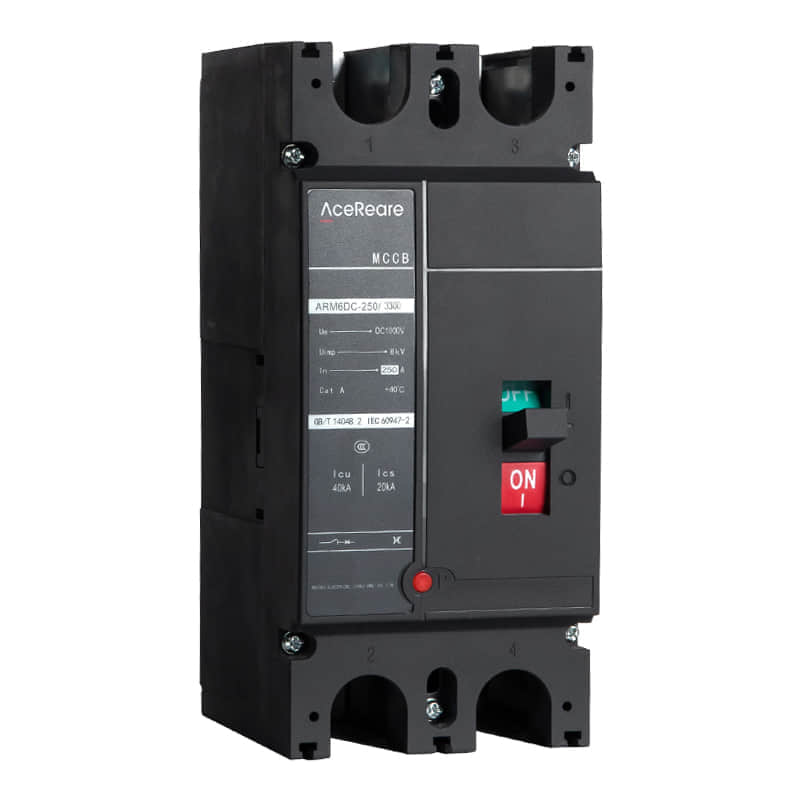
Photovoltaic systems, often referred to as solar power systems, harness the energy of the sun and convert it into electricity. These systems are commonly found on rooftops, solar farms, and even integrated into the design of buildings. Ensuring the reliability and performance of these systems is paramount, and this is where photovoltaic molded case circuit breakers come into play.
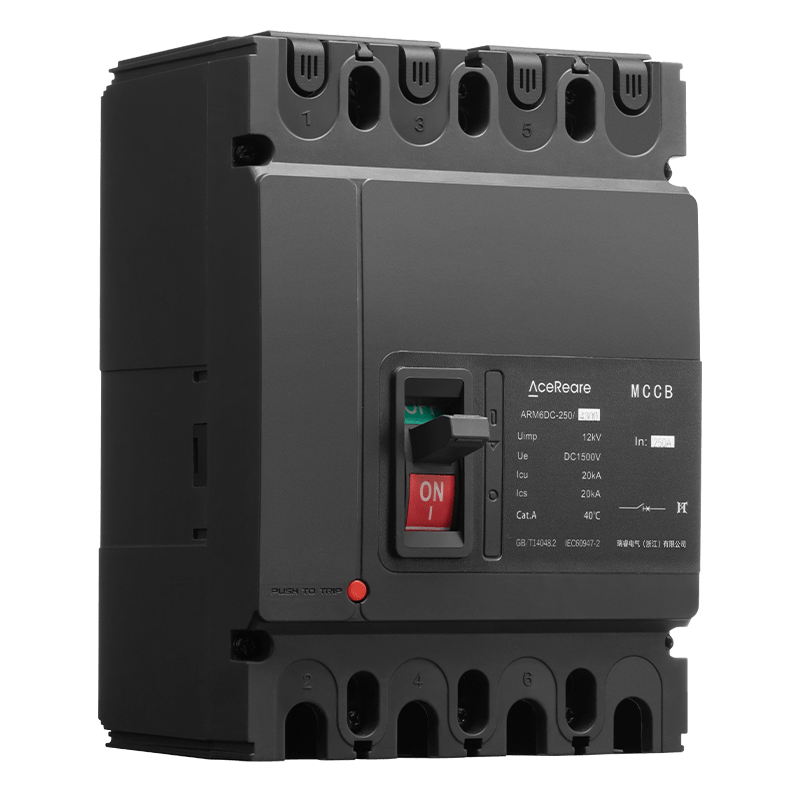
A photovoltaic molded case circuit breaker is a device designed to protect the electrical components of a solar installation from overcurrent and short circuit faults. It acts as a switch that can interrupt the flow of electricity when necessary, safeguarding the entire system from damage and reducing the risk of fire or electrical hazards. These circuit breakers are specifically engineered to handle the unique characteristics of solar power generation, such as the intermittent nature of sunlight and the potential for high fault currents. Manufacturers of photovoltaic molded case circuit breakers play a crucial role in advancing the adoption of solar energy. They are responsible for designing, producing, and testing these components to meet strict safety and performance standards. These standards often include compliance with international norms such as IEC 60947, which ensures the reliability and functionality of low-voltage switchgear and controlgear. One of the primary challenges in manufacturing photovoltaic molded case circuit breakers is striking a balance between sensitivity and durability. These circuit breakers must be sensitive enough to detect and interrupt even the smallest faults, while also being robust enough to withstand the harsh environmental conditions that solar installations can face. Manufacturers invest in research and development to engineer materials and mechanisms that meet these demands, making sure that the circuit breakers are capable of providing consistent protection over the long lifespan of solar installations. In addition to technical considerations, manufacturers also need to consider the economic and environmental impact of their products. Cost-effectiveness is crucial for the widespread adoption of solar power systems, so manufacturers strive to optimize production processes and reduce manufacturing costs without compromising on quality. Moreover, sustainability is a key concern, as the renewable energy industry aims to minimize its ecological footprint. Manufacturers are exploring ways to use recycled materials, improve energy efficiency during production, and develop end-of-life recycling programs for their products. The partnership between photovoltaic molded case circuit breaker manufacturers and the solar industry extends beyond product development. These manufacturers often collaborate with solar installers, engineers, and system integrators to provide tailored solutions for specific projects. This collaboration ensures that the circuit breakers are seamlessly integrated into the overall system design, maximizing both safety and efficiency. In conclusion, photovoltaic molded case circuit breaker manufacturers are the unsung heroes of the solar energy revolution. Their dedication to producing reliable, sensitive, and durable circuit breakers is essential for the growth of the renewable energy sector. As the world continues to transition towards cleaner and more sustainable energy sources, the role of these manufacturers in ensuring the safety and effectiveness of photovoltaic systems cannot be overstated. With their innovative solutions and commitment to excellence, they are illuminating the path towards a brighter, greener future.