The Insulated Gate Bipolar Transistor (IGBT)-based high-voltage (HV) relays represent a significant advancement in the control and protection of electrical systems, particularly those operating under high voltage and large current conditions. By combining the benefits of MOSFETs (Metal-Oxide-Semiconductor Field-Effect Transistors) and BJTs (Bipolar Junction Transistors), IGBT-based relays offer high efficiency, fast switching, and superior performance in demanding environments. These relays are essential in various sectors, including power distribution, renewable energy, transportation, and industrial control systems.
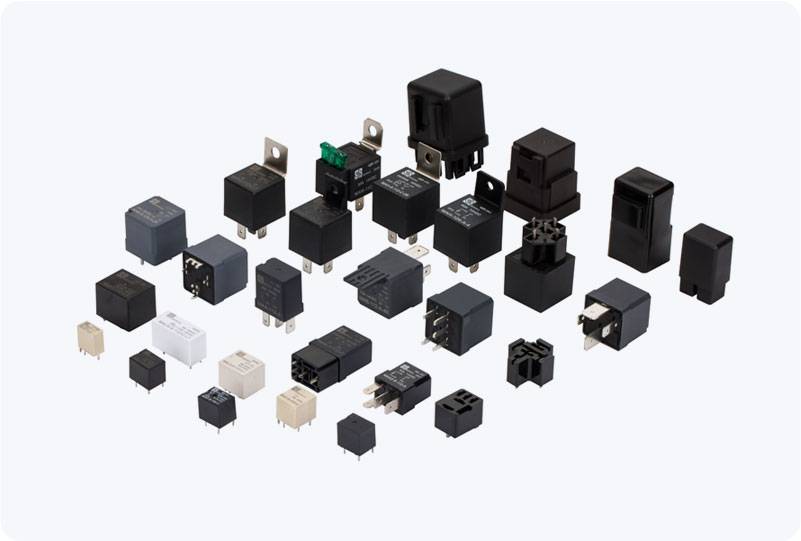
Understanding IGBT and HV Relays IGBTs are semiconductor devices that act as efficient switches, capable of controlling large amounts of power with minimal losses. They combine the easy control characteristics of MOSFETs with the high current-carrying capabilities of BJTs, making them ideal for high-power applications. An IGBT-based HV relay uses these semiconductors to manage the switching of high-voltage circuits, acting as an intermediary between a control signal and a high-power load. A relay, in general, is an electrically operated switch that allows for the opening or closing of electrical contacts under specific conditions. When integrated with IGBT technology, HV relays can operate at high voltages while delivering exceptional switching speeds and efficiency. This combination of IGBT and relay technology creates a highly reliable solution for controlling power in electrical grids and high-voltage applications.