In the rapidly evolving world of power electronics, IGBT (Insulated Gate Bipolar Transistor)-based high-voltage relays (HV Relays) are increasingly becoming essential components for controlling and managing high-power applications. The integration of IGBT technology into HV relays offers significant advantages in terms of efficiency, reliability, and speed, making these devices indispensable in various industries, including power generation, renewable energy, electric vehicles, and industrial automation. This article explores the functionality, benefits, applications, and future potential of IGBT-based HV relays.
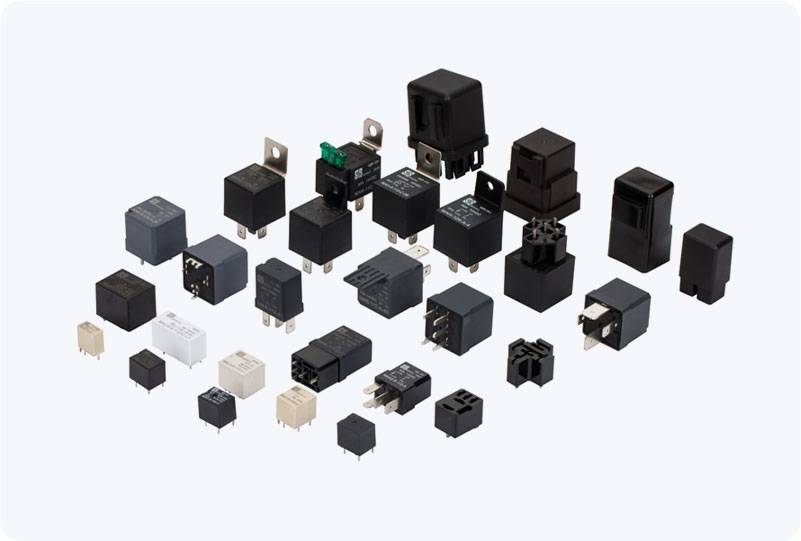
The Role of IGBT in High-Voltage Switching IGBT technology combines the best of both transistor and MOSFET (Metal-Oxide-Semiconductor Field-Effect Transistor) technologies, providing the high voltage handling capabilities of a bipolar transistor and the easy control of a MOSFET. IGBTs are used extensively in applications where both high-voltage and high-current switching are required. In an IGBT-based HV relay, the IGBT serves as the primary switching device, allowing the relay to handle much higher voltages and currents compared to traditional mechanical relays. One of the key advantages of IGBT-based HV relays is their ability to switch power efficiently without the mechanical wear and tear associated with traditional electromechanical relays. Unlike mechanical relays that rely on physical movement to open or close contacts, IGBT-based relays use electronic switching, which greatly improves the longevity and reliability of the device.