The IGBT-Based High Voltage (HV) Relay represents a cutting-edge technology used in high-power switching applications. Combining the advantages of Insulated Gate Bipolar Transistors (IGBTs) and high-voltage relay functionalities, these devices are increasingly becoming crucial in industries ranging from electric vehicles (EVs) to renewable energy systems and power distribution. This article delves into the technology behind IGBT-based HV relays, their working principles, and their wide range of applications.
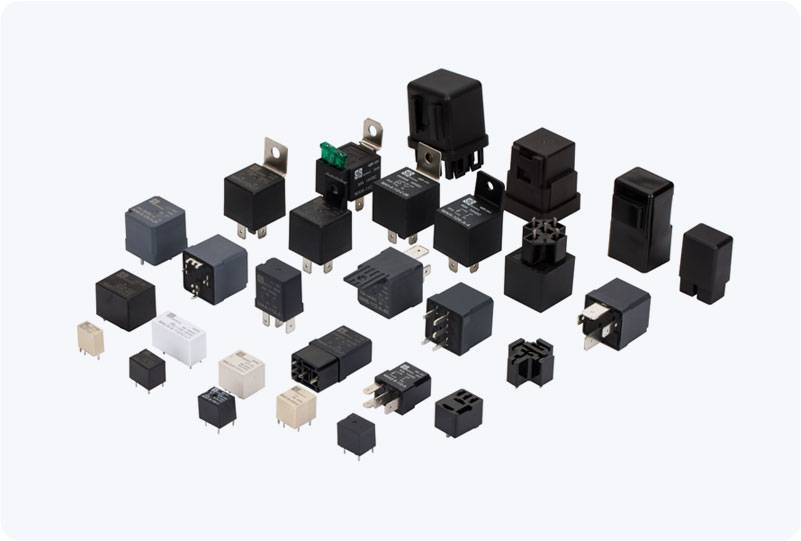
What is an IGBT-Based HV Relay? An IGBT-Based HV Relay is an electronic switching device that uses IGBT technology to control high-voltage, high-current circuits. IGBTs, which stand for Insulated Gate Bipolar Transistor, are semiconductor devices that combine the high input impedance of MOSFETs (Metal-Oxide-Semiconductor Field-Effect Transistors) with the high current-carrying capability of BJTs (Bipolar Junction Transistors). When integrated into a high-voltage relay system, IGBTs enable the relay to manage large power loads with speed, precision, and reliability. How Does an IGBT-Based HV Relay Work?