Industrial relays play a critical role in the automation, protection, and control systems used across various industries. These relays are essential for protecting electrical circuits, ensuring the stability of machinery, and enabling the automation of processes in industrial environments. To ensure these relays operate safely, effectively, and reliably, the IEEE (Institute of Electrical and Electronics Engineers) has established a series of standards tailored for industrial relays. These standards provide comprehensive guidelines on design, performance, testing, and operational requirements for relays used in industrial settings.
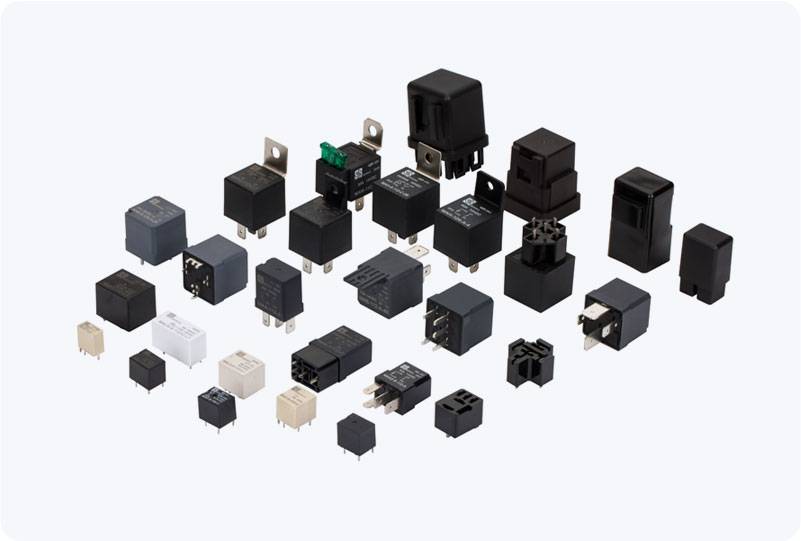
The Role of IEEE Standards in Industrial Relay Design The IEEE standards for industrial relays serve as a vital framework for the design and operation of protective devices in electrical systems. The standards cover a broad range of issues, from the electrical characteristics of relays to their ability to withstand harsh environmental conditions. They provide specifications for relay performance under both normal and fault conditions, ensuring that relays function as expected when needed most. One of the key standards in this field is IEEE C37.90. This series of standards, particularly IEEE C37.90.1 and IEEE C37.90.2, focuses on the electrical and environmental performance of relays and protection equipment. IEEE C37.90.1 specifies the electrical performance requirements, such as contact ratings, operation times, and response to electrical disturbances. It ensures that relays can handle the electrical stresses and surges that are common in industrial settings.