Industrial relays play a critical role in ensuring the efficient and reliable operation of electrical systems and industrial automation. These devices, which function as automatic switches in control and protection circuits, are essential for safeguarding equipment and preventing system failures. As industries advance towards smarter, more connected systems, the need for robust standards that govern the design, application, and testing of industrial relays has never been greater. The IEEE Standards for Industrial Relays provide a framework to ensure that these devices meet strict performance and safety requirements, offering protection against electrical faults, environmental factors, and operational stresses.
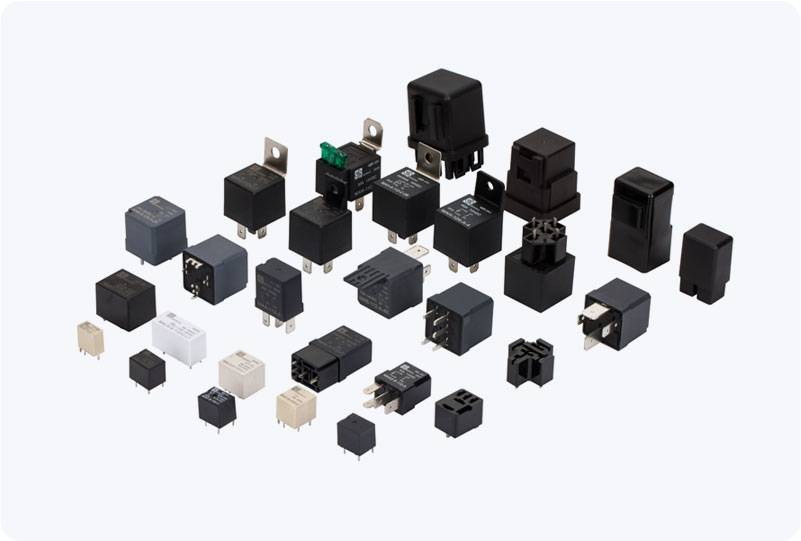
The Role of IEEE Standards in Industrial Relay Design IEEE (Institute of Electrical and Electronics Engineers) standards serve as the foundation for defining the characteristics, testing methods, and operational protocols for industrial relays. The IEEE standards address various aspects, including the electrical requirements, mechanical performance, and environmental resilience of relays used in industrial applications. These standards are crucial for manufacturers and engineers to ensure that the relays meet the stringent demands of modern electrical systems, particularly in sectors such as power generation, transportation, manufacturing, and automation.