Industrial relays are essential components in power systems, ensuring protection, control, and automation within electrical networks. The IEEE (Institute of Electrical and Electronics Engineers) has developed several standards specifically focused on industrial relays, setting the benchmark for their design, testing, and performance in harsh and demanding environments. These standards are crucial for maintaining the reliability, safety, and efficiency of industrial systems, particularly in power distribution and protection systems. This article will explore the significance of IEEE standards for industrial relays, highlighting their contributions to the industry.
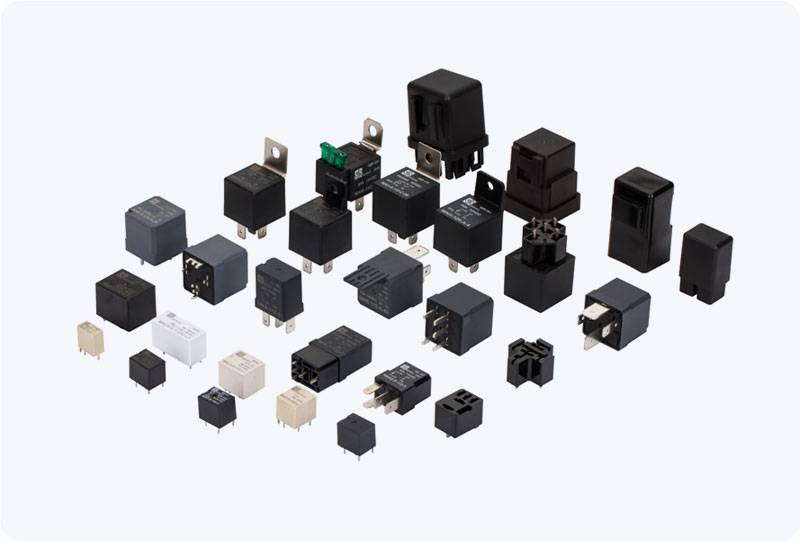
The Importance of IEEE Standards for Industrial Relays Industrial relays are used to monitor electrical systems and trigger actions such as disconnecting faulty circuits or initiating alarms. They must operate reliably under various operating conditions, from high electrical loads to extreme environmental factors like temperature and humidity. To ensure that relays perform optimally, IEEE standards have been developed to provide a clear set of guidelines for their design, testing, and implementation. These standards not only define the essential technical characteristics of relays but also set requirements for their ability to withstand environmental and electrical stresses. By adhering to these standards, manufacturers can produce relays that meet industry expectations and regulatory requirements, ensuring that end-users benefit from high-performance, durable, and safe products.