As the global shift towards electric vehicles (EVs) accelerates, ensuring the safety, efficiency, and reliability of EV charging systems becomes increasingly important. One of the critical components in these systems is the IEC 61811 EV Relay, a standard that governs the design, testing, and performance of relays used in electric vehicle charging infrastructure. This article explores the role of the IEC 61811 EV Relay, its requirements, and its importance in the context of EV charging systems.
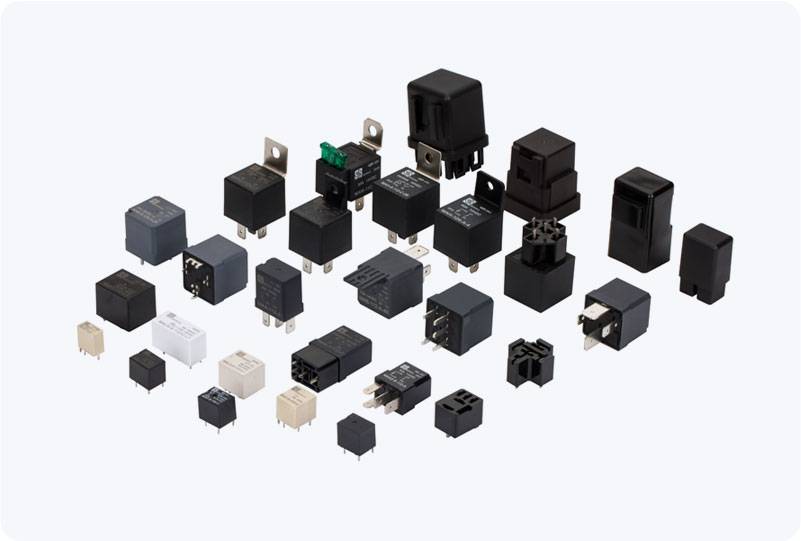
The Importance of Relays in Electric Vehicle Charging Relays serve as an essential element in controlling the flow of electricity within the charging circuit. They act as switches that open or close electrical connections, allowing for the safe and efficient transfer of energy from the power grid to the vehicle’s battery. In the context of EV charging, relays are subjected to high voltage, substantial currents, and various environmental conditions, making them one of the most critical components for ensuring the charging process is safe, reliable, and durable. What is IEC 61811 EV Relay?