In industrial environments where machinery and complex systems are in constant operation, ensuring the safety of workers is paramount. One critical aspect of maintaining safety is controlling the risk of accidental activation during maintenance or repair activities. This is where IEC 60947-2 certified pneumatic lockouts come into play. These devices provide a crucial layer of protection, particularly in industries that rely on pneumatic systems. In this article, we will explore what IEC 60947-2 certified pneumatic lockouts are, their importance in safety, and how they align with industrial standards to protect personnel and ensure operational continuity.
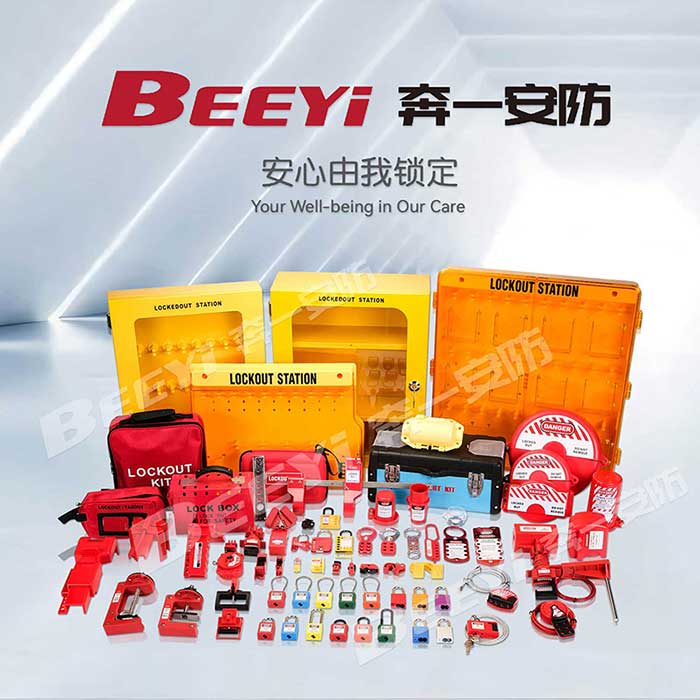
What Are IEC 60947-2 Certified Pneumatic Lockouts? Pneumatic lockouts are safety devices designed to prevent the accidental release of pressurized air or other gases into a system during maintenance activities. They are part of a broader category of lockout/tagout (LOTO) systems, which are used to secure energy sources and prevent unexpected machine startups. Pneumatic lockouts specifically target systems powered by compressed air or pneumatic pressure, which are commonly used in industrial machinery, automation systems, and process control equipment. The “IEC 60947-2” certification refers to the compliance with the international standard for low-voltage switchgear and controlgear, which is typically associated with electrical equipment. However, the certification extends beyond just electrical safety to cover mechanical safety elements in many cases. Pneumatic lockouts, while not directly related to electrical control, often work in conjunction with electrical systems to ensure that all energy sources are properly isolated and cannot pose a risk to workers during maintenance.