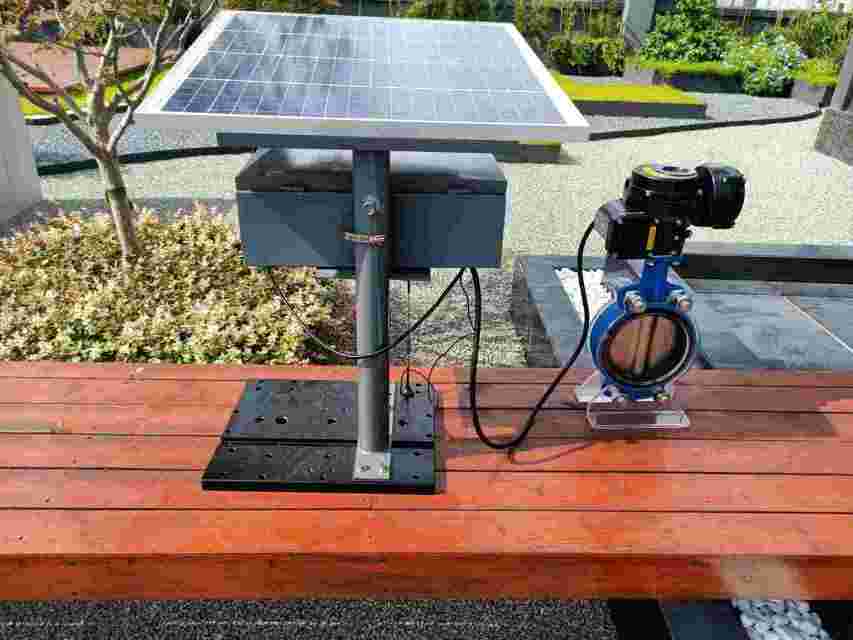
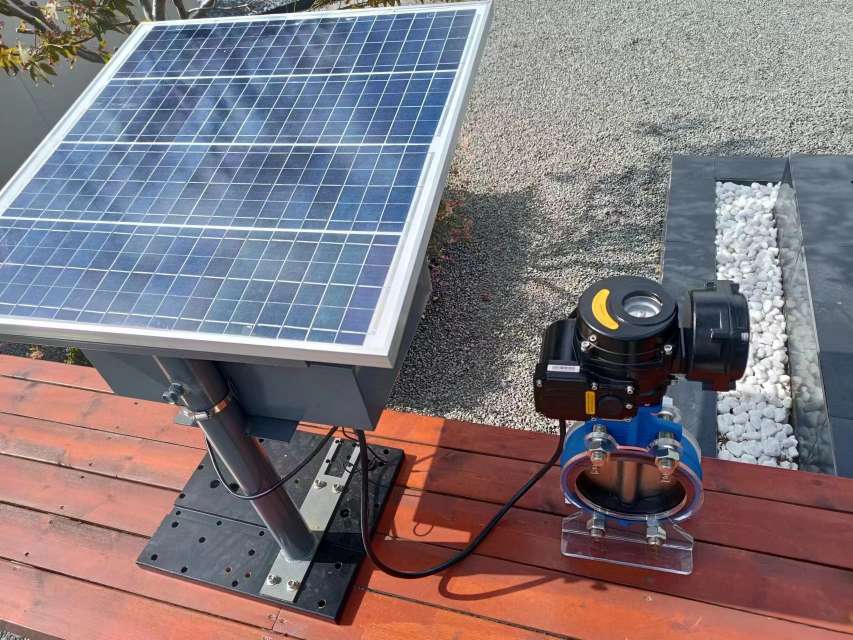
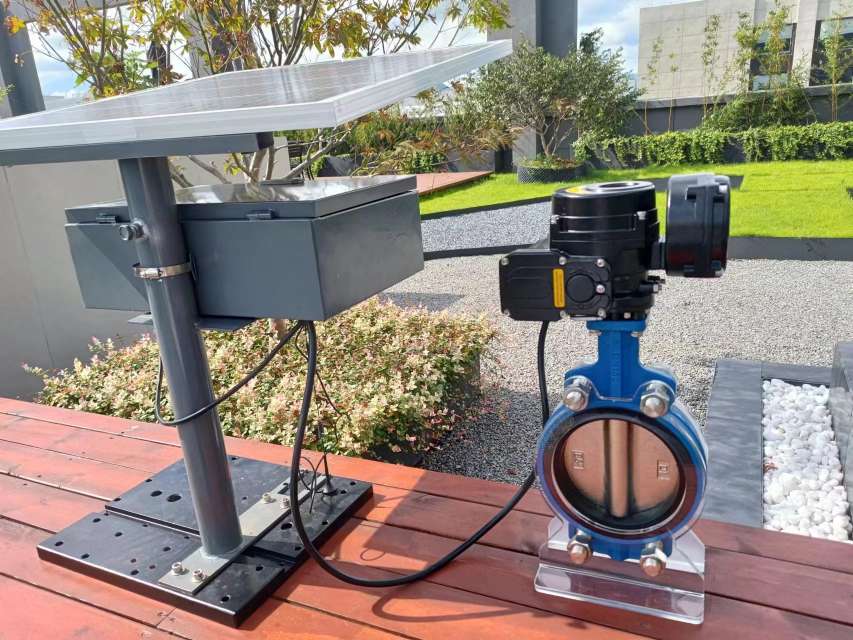
The world is increasingly shifting towards sustainable energy solutions, driven by the need to combat climate change, reduce carbon emissions, and ensure energy security. Among the various emerging technologies, hydrogen energy and photovoltaic (solar) power have gained significant attention as vital components of the clean energy future. A relatively recent innovation that combines these technologies is the Hydrogen Energy Photovoltaic Electric Valve. This device plays a crucial role in optimizing energy management systems by seamlessly integrating hydrogen production, solar power generation, and fluid flow regulation.
The Basics of Hydrogen Energy and Photovoltaic Systems
Hydrogen energy is one of the most promising alternatives to fossil fuels. Hydrogen can be produced using various methods, with water electrolysis being the most widely discussed. This process involves using electricity—often derived from renewable sources such as wind or solar power—to split water molecules into hydrogen and oxygen. The produced hydrogen can then be stored and used in fuel cells to generate electricity, emitting only water vapor as a byproduct. Photovoltaic (PV) technology, on the other hand, is the process of converting sunlight directly into electricity through solar panels made of semiconductor materials. The technology has advanced significantly over the years, making solar power one of the most cost-effective renewable energy sources available. However, the challenge with solar power lies in its intermittent nature—solar panels generate electricity only when the sun is shining, creating the need for effective energy storage solutions.