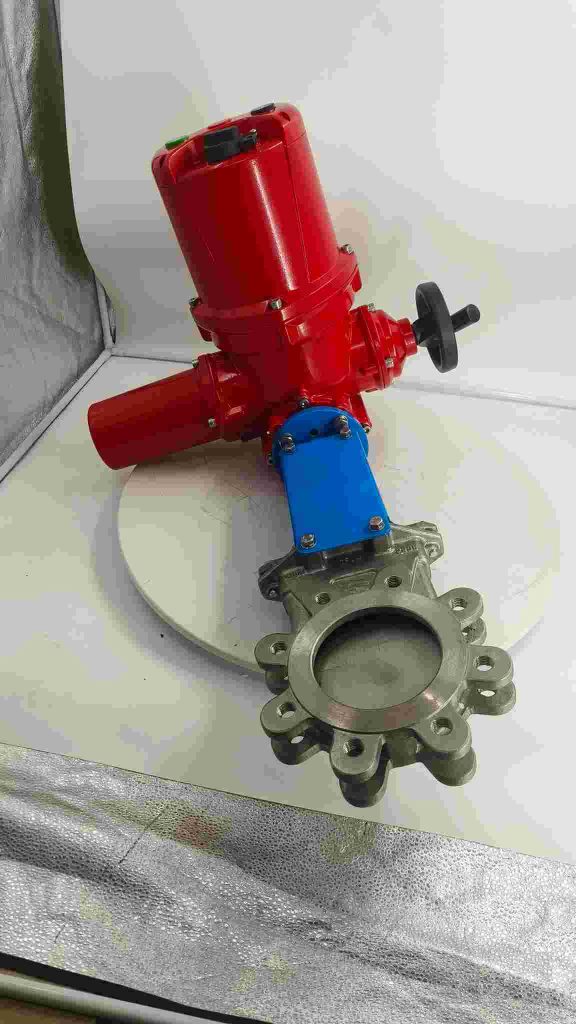
The growing interest in renewable energy sources has brought hydrogen energy into the spotlight, thanks to its potential as a clean and sustainable fuel. As industries and governments push for decarbonization, hydrogen is seen as a viable solution for reducing greenhouse gas emissions, particularly in sectors like transportation, energy storage, and industrial manufacturing. One crucial component in hydrogen systems is the hydrogen energy electric gate valve. This specialized valve plays a vital role in ensuring the safe and efficient flow of hydrogen gas in various applications, from storage and transportation to fuel cell systems.

Understanding Hydrogen Energy Electric Gate Valves
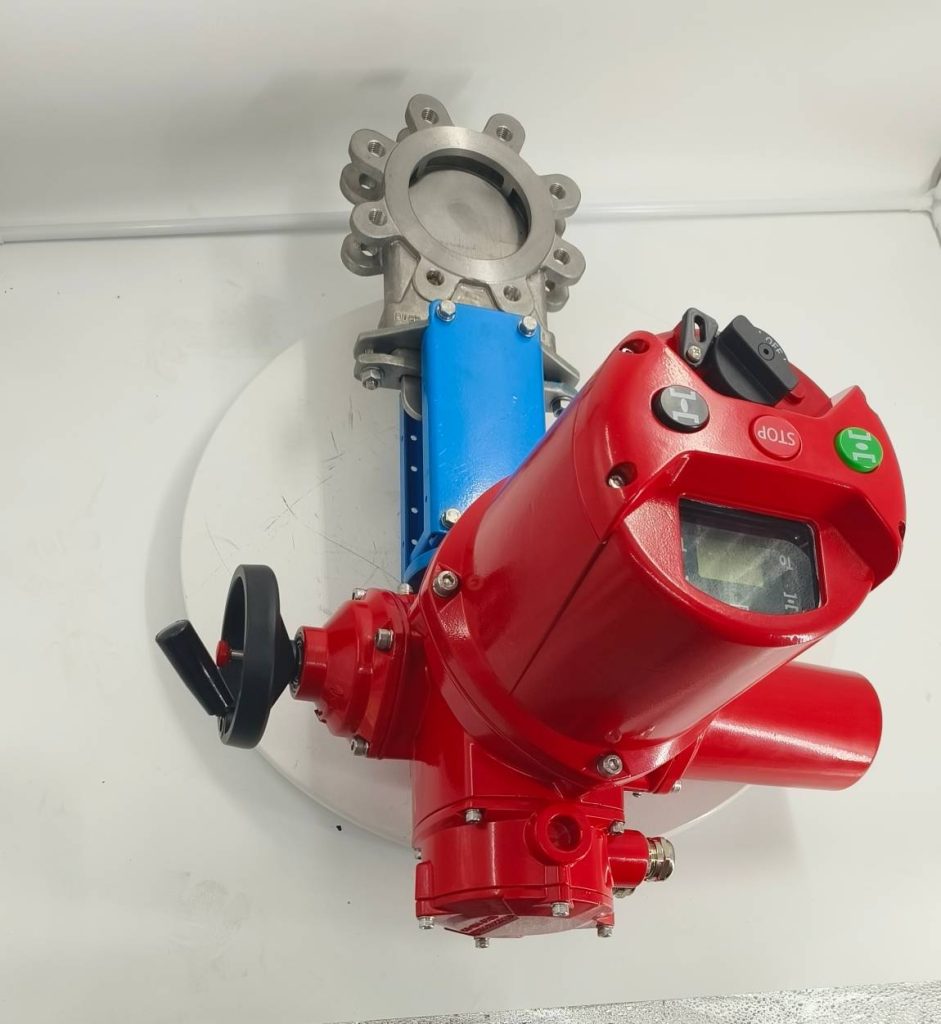
A hydrogen energy electric gate valve is an essential part of any hydrogen infrastructure, designed to regulate and control the flow of hydrogen gas. These valves combine the traditional gate valve mechanism with an electric actuator, allowing for precise control over the flow of hydrogen through pipelines and systems. The gate valve itself is a linear motion valve used to start or stop the flow of gas. It has a simple, robust design, making it ideal for situations where the valve needs to remain either fully open or fully closed for extended periods. The electric actuator, which is integrated into the valve, provides the advantage of remote and automated control. With this, operators can manage the opening and closing of the valve from a distance, making it suitable for use in large-scale hydrogen facilities where continuous monitoring and adjustment are required.