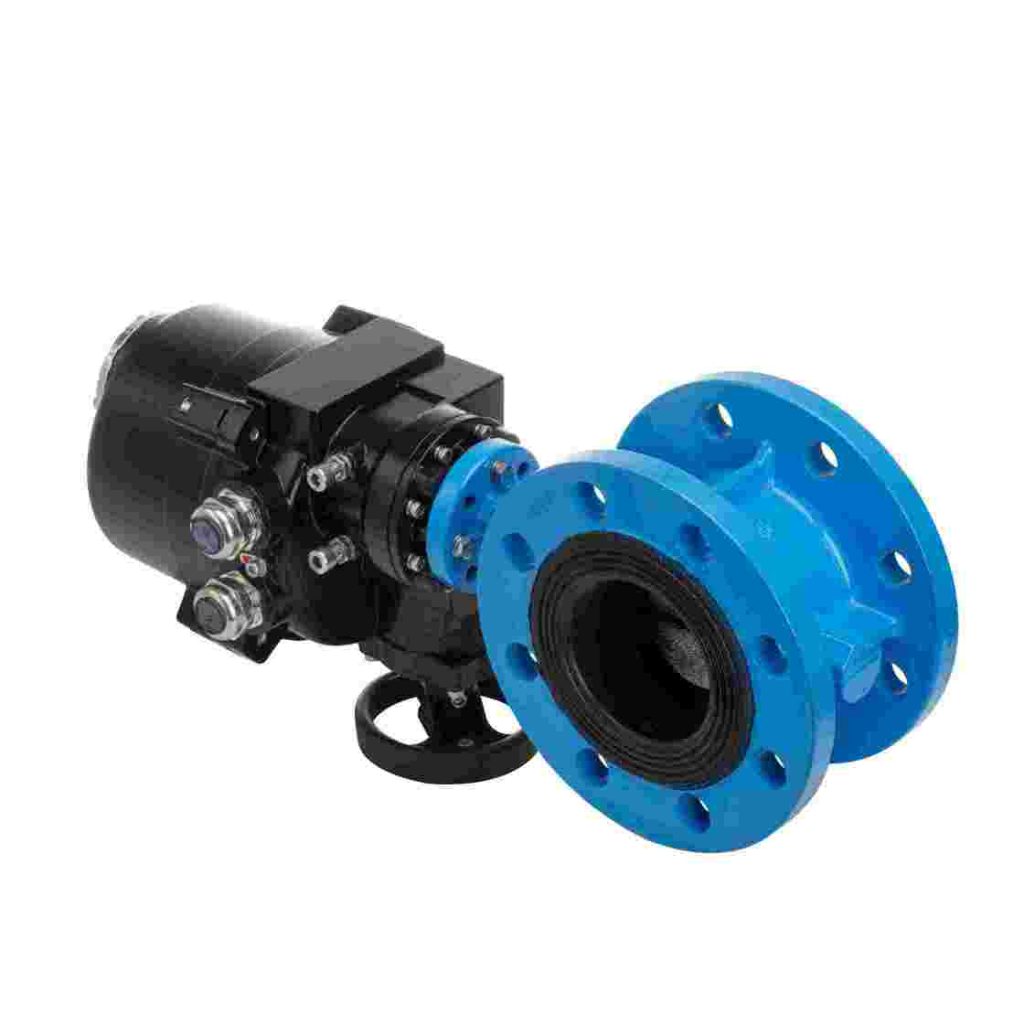
In the rapidly evolving field of hydrogen energy, efficient and safe flow control systems are of paramount importance. One such critical component is the Hydrogen Energy Electric Flanged Butterfly Valve. This valve integrates several key technologies to provide precise control, durability, and safety in hydrogen systems. Used extensively in hydrogen production, storage, and transportation, this valve plays a vital role in ensuring the proper functioning of hydrogen infrastructure, where safety, reliability, and performance are non-negotiable.
What is a Hydrogen Energy Electric Flanged Butterfly Valve?
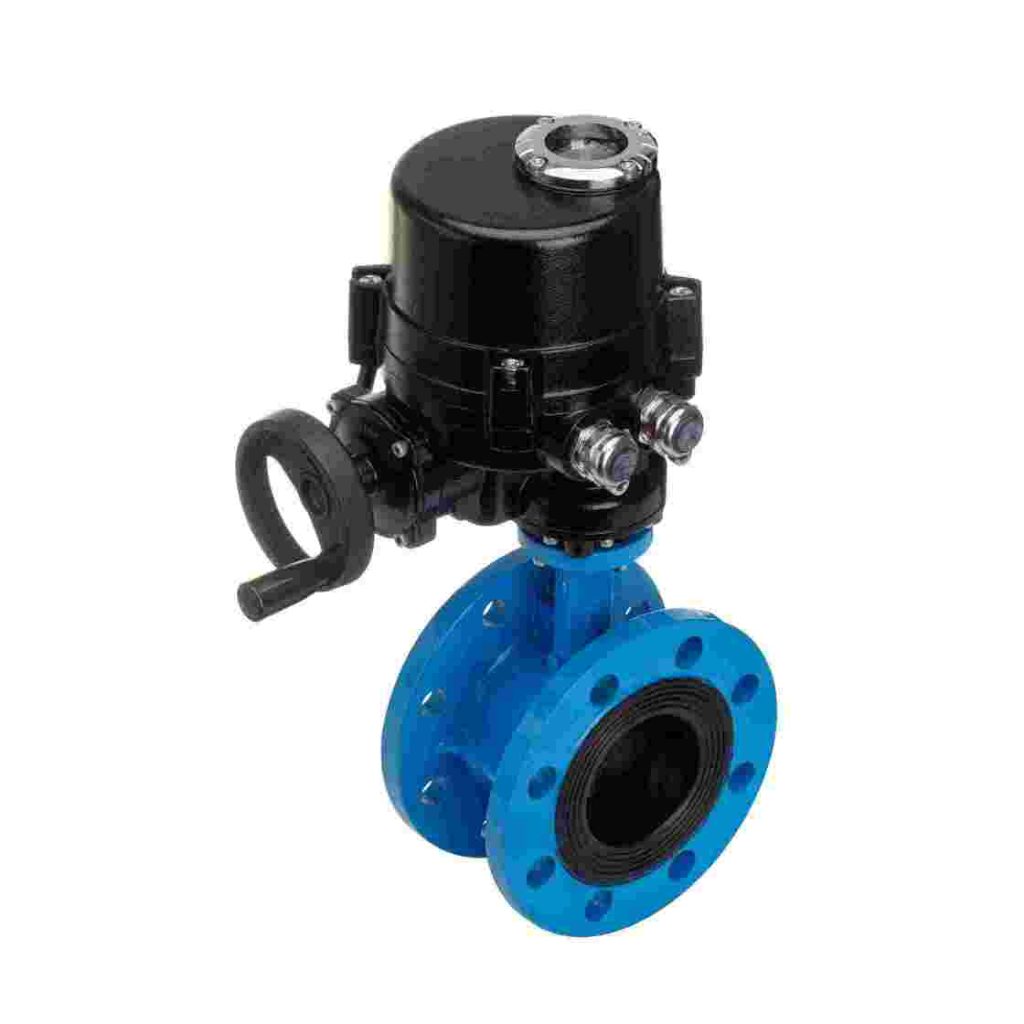
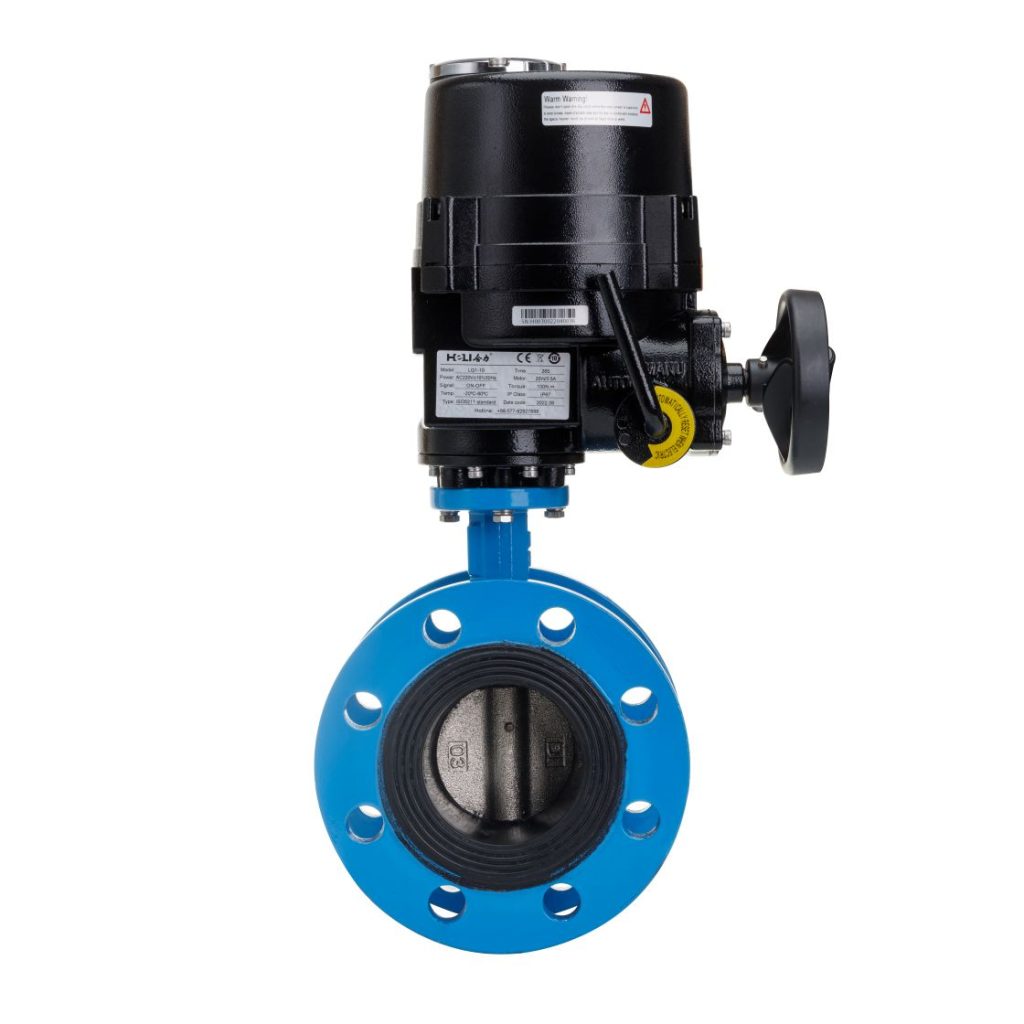
At its core, a Hydrogen Energy Electric Flanged Butterfly Valve is a flow control device designed for use in hydrogen systems. The valve is comprised of a disc or vane that rotates within a pipe to regulate the flow of hydrogen. The electric actuator provides automated control over the valve, allowing it to open and close with precision, typically driven by an electric motor. The flanged connections on both ends of the valve allow for secure attachment to pipelines, ensuring a tight and leak-proof seal. Key Features and Functions 1. Butterfly Valve Mechanism The butterfly valve is a well-known flow control device used across various industries due to its compact design and effective operation. It consists of a disc that is mounted on a rotating shaft. When the valve is opened, the disc is rotated to allow fluid (in this case, hydrogen) to flow through the pipe. Conversely, when the valve is closed, the disc obstructs the flow, stopping the hydrogen from passing through. The ability to control large volumes of fluid with minimal pressure loss makes butterfly valves ideal for hydrogen energy systems.