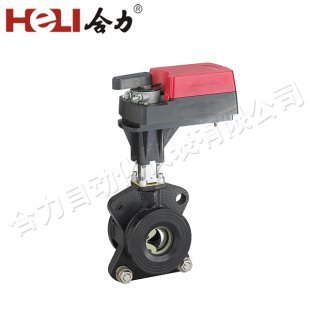
The rapid advancement of energy technologies in the 21st century has led to innovative solutions aimed at reducing carbon footprints and improving energy efficiency. Among the most promising developments in this area is the use of hydrogen energy, which is seen as a clean and sustainable alternative to traditional energy sources. One specific application of hydrogen energy that has garnered attention in recent years is the hydrogen energy damper actuator. This device has the potential to revolutionize various industries, particularly those involving mechanical systems, by enhancing energy efficiency, reducing emissions, and improving overall performance.
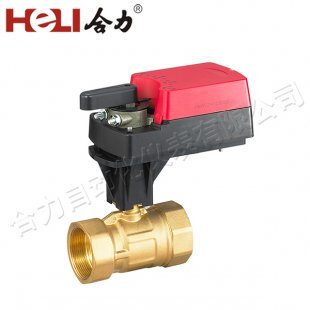
What is a Hydrogen Energy Damper Actuator?
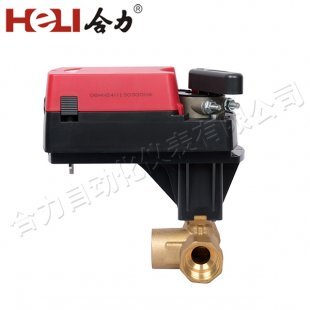
A damper actuator is a device used to control the flow of air or fluid in mechanical systems, often within heating, ventilation, and air conditioning (HVAC) systems, automotive applications, and industrial machinery. Dampers regulate airflow, pressure, and temperature by either opening or closing based on specific requirements. The actuator, in this context, is responsible for moving the damper to achieve these adjustments. The introduction of hydrogen energy into damper actuators represents an innovative leap forward. Hydrogen, a versatile and abundant fuel, is being integrated into actuator systems to power them more efficiently and sustainably. These hydrogen energy-powered actuators utilize fuel cells or hydrogen combustion processes to create mechanical motion, replacing traditional electric or pneumatic systems that rely on fossil fuels or electricity from non-renewable sources.