High Voltage Distribution Relays (HVDRs) play a crucial role in safeguarding electrical systems by detecting faults and ensuring the reliable distribution of electricity. These protective devices are an integral part of modern high-voltage power grids, providing a layer of protection for transformers, circuit breakers, and other high-voltage equipment. The continuous operation of electrical grids relies heavily on the efficient functioning of HVDRs to maintain safety, prevent equipment damage, and reduce downtime. This article delves into the importance, functions, and applications of High Voltage Distribution Relays in power systems.
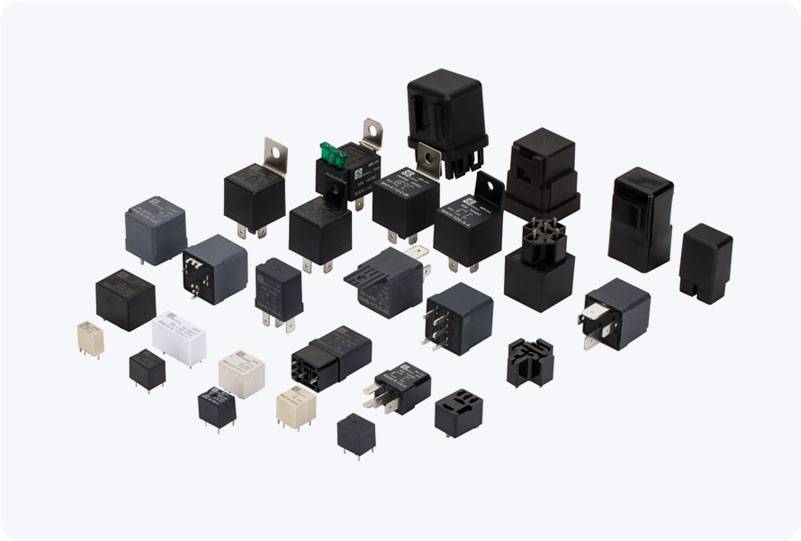
The Role of High Voltage Distribution Relays High Voltage Distribution Relays are primarily designed to monitor the electrical parameters of power systems, including voltage, current, and frequency, to ensure they operate within safe and optimal levels. They are used to detect abnormalities or faults that can cause electrical hazards, such as short circuits, overloads, or voltage fluctuations, which may result in system instability or damage to electrical equipment. The primary role of these relays is to protect the system by immediately triggering circuit breakers or other protective devices to isolate faulty sections of the power grid. This rapid response minimizes the impact of faults, ensuring that the rest of the network continues to function smoothly. HVDRs can also help avoid fires, equipment failure, and other catastrophic events that might otherwise occur in the absence of such protection mechanisms.
Leave a Reply