High Voltage DC (HVDC) Main Relays play a crucial role in ensuring the efficient, safe, and reliable operation of high-voltage direct current systems. With the growing demand for energy storage solutions, electric vehicles, renewable energy systems, and more, the significance of these relays has only increased in recent years. This article explores the functions, features, and applications of High Voltage DC Main Relays, shedding light on their importance in various industries.
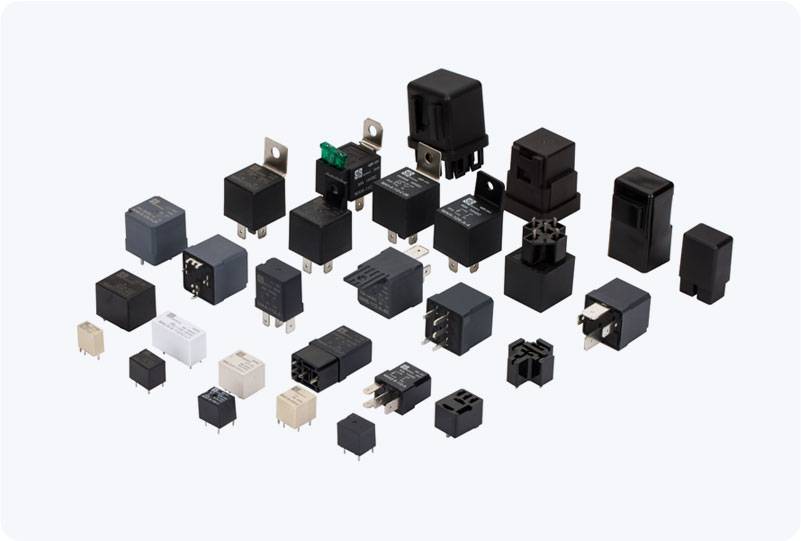
What is a High Voltage DC Main Relay? A High Voltage DC Main Relay is an electromechanical or solid-state switch used to control the flow of electricity in high-voltage direct current (HVDC) circuits. These relays are designed to handle large amounts of electrical power, typically operating in systems that involve high voltage levels, such as 100V DC and beyond. They function to open or close a circuit under controlled conditions and play a pivotal role in protecting electrical systems from overcurrent, overvoltage, and short circuits. In essence, these relays serve as the gatekeepers for HVDC systems, ensuring that the system functions smoothly and that any potential failures or hazards are quickly addressed.