The High Voltage DC Main Relay is a critical component in various high-voltage direct current (DC) applications, where safety, efficiency, and reliability are paramount. It serves as the main switch in high-voltage systems, providing a means to control the flow of electricity and protecting sensitive equipment from potential damage. This article explores the importance, functions, applications, and technical considerations of the High Voltage DC Main Relay.
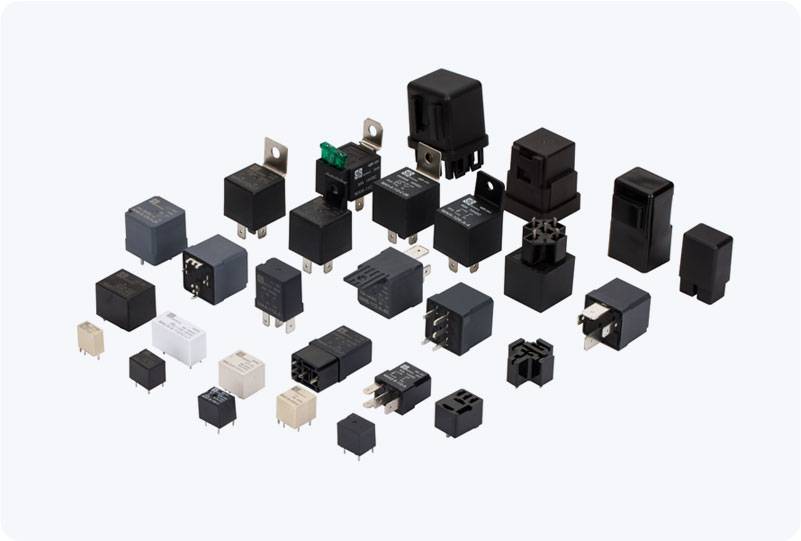
Understanding High Voltage DC Main Relay At its core, a High Voltage DC Main Relay is a type of electrical relay designed to switch high-voltage DC circuits. Unlike their AC counterparts, DC circuits do not have a natural zero-crossing point, which makes switching them off more challenging. The relay must effectively interrupt the flow of current without creating harmful electrical arcing, which can damage the relay and the circuit. Thus, the relay is engineered with advanced arc suppression technology and materials that prevent long-lasting damage during the switching process. The relay typically consists of a set of contacts, a spring mechanism, and an electromagnet. When triggered, the electromagnet moves the contacts into position, either allowing or blocking the flow of current. In a high-voltage DC application, the materials used in the contacts are crucial for durability and performance. Copper, silver, or other high-conductivity metals are often used to ensure minimal resistance and heat generation during operation.