In the world of industrial automation, relays play an essential role in controlling high-power circuits, ensuring safety, and enabling the precise operation of machinery. Among these, the High Quality Industrial Relay stands out as a critical component in enhancing system performance and reliability. These advanced devices are designed to handle the demands of complex industrial processes, offering a level of durability and performance that ensures their longevity even in the harshest environments. This article will explore the importance of high-quality industrial relays, their features, applications, and the role they play in optimizing automation systems.
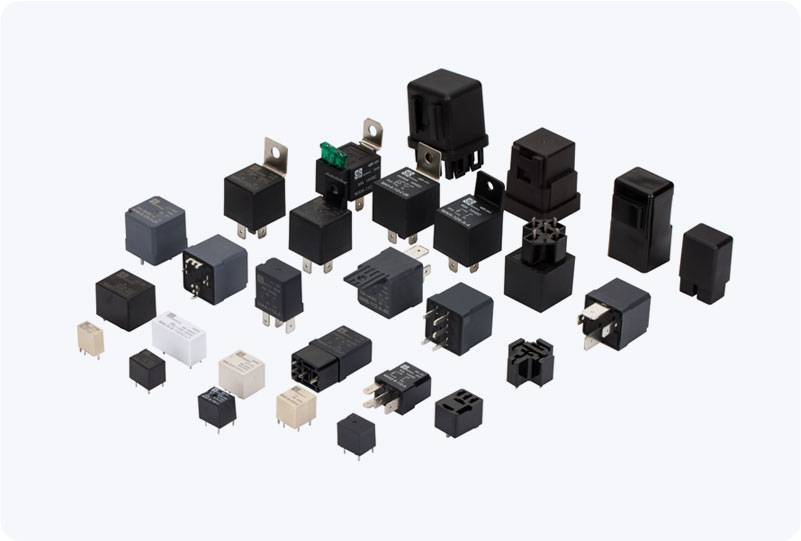
What is a High Quality Industrial Relay? A High Quality Industrial Relay is an electrically operated switch used in industrial applications to control electrical circuits. Relays can be used to switch smaller electrical signals on or off, enabling the control of larger electrical loads that might otherwise be difficult to manage. They provide electrical isolation between control and power circuits, enhancing safety and preventing damage from electrical surges or short circuits. High-quality industrial relays are characterized by their robust construction, long operational life, and ability to handle high electrical currents and voltages. These devices are designed to operate efficiently under extreme conditions, including high temperatures, vibrations, and moisture, which are common in industrial environments. Their reliability is crucial for the smooth and safe operation of automated systems in factories, power plants, and various industrial settings.