In today’s rapidly advancing technological landscape, electrical safety has become a paramount concern in various industries. Among the many strategies implemented to ensure safety during electrical maintenance and repair work, lockout/tagout (LOTO) procedures have emerged as essential practices. At the heart of these procedures are high-quality electrical equipment lockouts, which play a crucial role in reducing workplace accidents and enhancing overall operational efficiency. This article explores the significance of a high-quality electrical equipment lockouts factory in meeting the growing demand for reliable safety solutions.
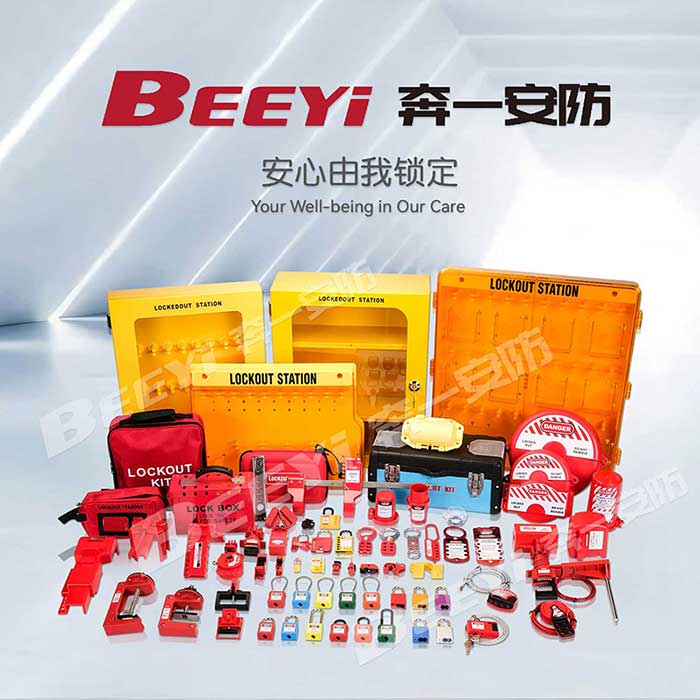
Understanding Lockout/Tagout Procedures Lockout/tagout procedures are safety protocols designed to prevent accidental machine startup during maintenance and servicing. These procedures involve isolating energy sources (like electricity) and locking out equipment to ensure that it cannot be operated until maintenance work is complete. Electrical equipment lockouts are specific devices used to secure electrical panels, breakers, and other equipment activated by electricity, safeguarding workers from serious injuries or fatalities. The Importance of High-Quality Lockout Devices The effectiveness of lockout/tagout systems heavily relies on the quality of the lockout devices used. High-quality electrical equipment lockouts are built to withstand wear and tear, ensuring they remain functional over extended periods. They are often made from durable materials resistant to environmental factors such as moisture, dust, and extreme temperatures, providing reliable performance in various industrial settings. Additionally, high-quality devices are designed for intuitive use, allowing quick and efficient application by personnel, which is critical in time-sensitive situations.