In the modern industrial world, the safety of workers is paramount. Electrical hazards, including electrical shocks, fires, and accidental equipment activation, are common risks associated with electrical systems and equipment maintenance. One of the most effective ways to ensure worker safety during maintenance and repairs is through the use of high-quality electrical equipment lockouts. These lockout devices play a critical role in preventing unintentional energy release or equipment startups, reducing the risk of accidents and ensuring compliance with safety standards. This article will explore the importance, types, and benefits of high-quality electrical equipment lockouts produced by specialized factories.
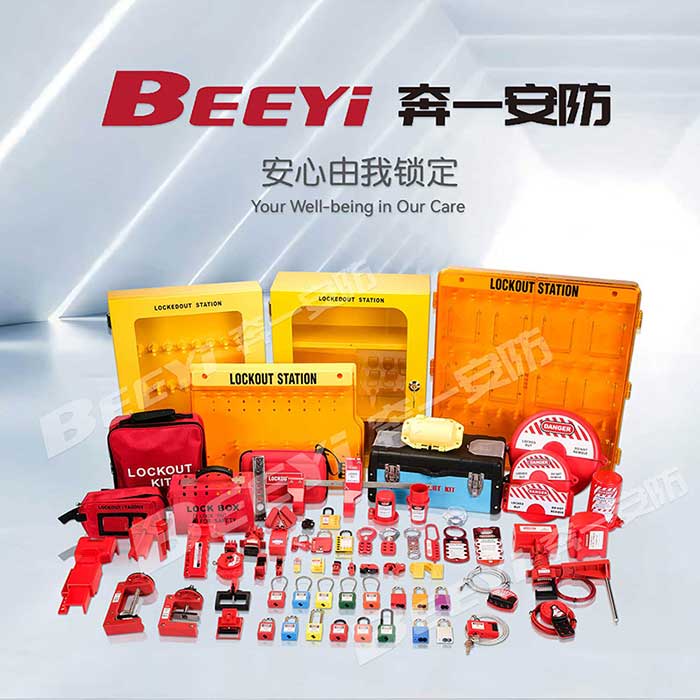
The Importance of Electrical Equipment Lockouts Electrical equipment lockouts are safety devices used to physically secure electrical equipment, such as circuit breakers, switches, and disconnects, in a safe state during maintenance. These devices help prevent the accidental activation of electrical systems, providing workers with the assurance that they are not exposed to potential electrical hazards. Given the potential dangers of electrical energy, including severe burns, electrocution, and even death, the importance of these lockout systems cannot be overstated. In compliance with safety regulations like the Occupational Safety and Health Administration (OSHA) standards in the United States, industrial facilities are required to implement lockout/tagout (LOTO) procedures. These procedures mandate the use of lockout devices to ensure that energy sources are effectively isolated and cannot be re-energized until maintenance tasks are safely completed. High-quality electrical equipment lockouts, therefore, are essential components of any company’s safety program.