A High Flow Solenoid Valve (HFSV) plays a pivotal role in controlling the flow of fluids, especially in high-demand applications where managing large volumes of liquid or gas is essential. These valves are engineered to handle high flow rates while ensuring precise and reliable control, making them indispensable in a wide range of industrial systems. From HVAC to automation, these valves help streamline operations and improve overall system performance. In this article, we will explore the principles, features, applications, and considerations when selecting a high flow solenoid valve.
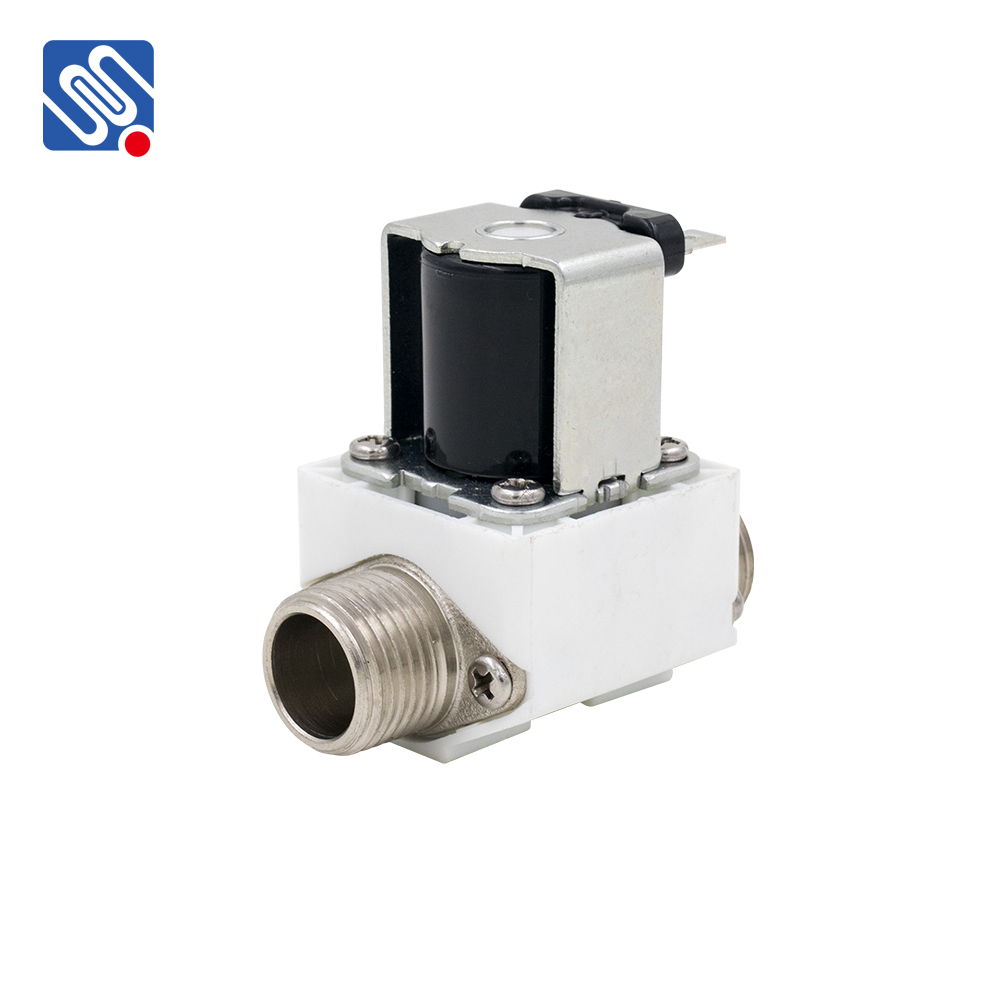
What is a High Flow Solenoid Valve? A High Flow Solenoid Valve is an electromagnetic valve designed to control the flow of fluids (either gases or liquids) in a system, but with the capability to handle higher flow rates compared to traditional solenoid valves. It uses an electromagnetic coil to control a plunger or diaphragm that opens or closes the valve, regulating fluid passage. The primary feature that distinguishes high-flow solenoid valves from their conventional counterparts is their ability to handle larger volumes of fluid, making them suitable for demanding applications that require high throughput and rapid response times.