High current relays are essential components in electrical systems that handle significant amounts of current. These relays are specifically designed to control high-power circuits, making them an integral part of various industries such as automotive, industrial equipment, and renewable energy sectors. In this article, we will explore the significance of high current relays, their working principle, key features, and their diverse applications.
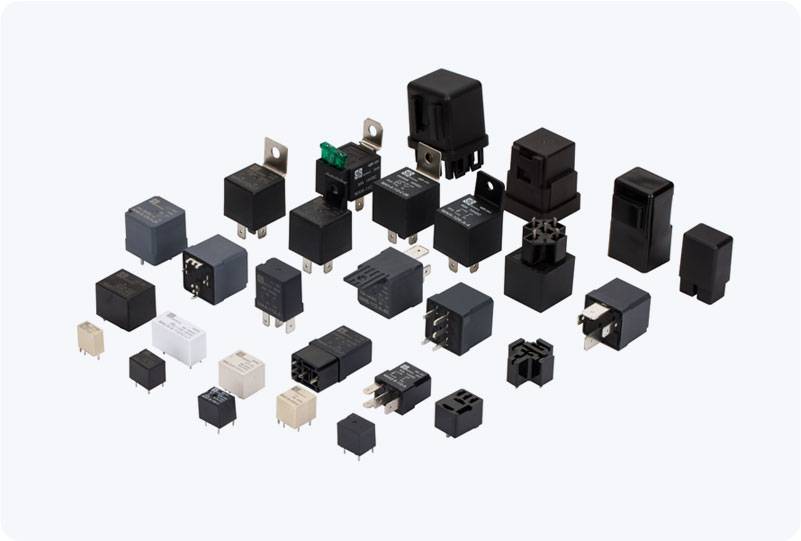
Introduction to High Current Relay A relay is an electrically operated switch that opens or closes a circuit when an electrical signal is applied to it. While standard relays are used for controlling low-power circuits, high current relays are designed to handle high-power applications, often involving hundreds of amperes. These relays are typically used in situations where switching high currents, such as those in motors, battery systems, or electrical panels, is necessary. High current relays are equipped with robust components that allow them to manage heavy electrical loads safely. By using a small control signal to activate a larger current, these relays offer a highly efficient and safe method for switching large amounts of electricity.
Leave a Reply