High Current Power Relays (HCPRs) are essential components in electrical systems that manage high-voltage and high-current applications. They are primarily used to switch power to heavy-duty electrical loads, such as industrial machines, electric vehicles, and renewable energy systems. Their ability to handle large amounts of current while ensuring safe, reliable operation makes them a critical part of modern power management. This article explores the importance, functionality, and applications of High Current Power Relays, highlighting their role in various industries.
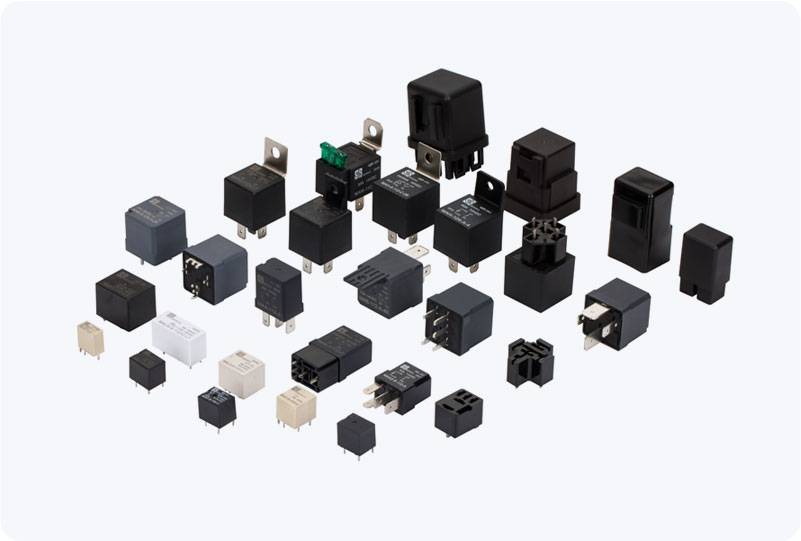
Understanding High Current Power Relays A High Current Power Relay is an electromechanical device used to control large electrical currents by using a smaller control signal. It consists of a coil that, when energized, creates a magnetic field to move contacts within the relay. This movement either closes or opens the electrical circuit, allowing power to flow or be cut off. The primary distinction of a high current relay is its capacity to handle significantly higher currents compared to standard relays. They are built to withstand heavy-duty electrical demands, making them indispensable in applications where typical relays would fail due to excessive load.