High Current Power Relays (HCPR) are essential components in modern electrical systems, designed to manage and control high current loads with efficiency and reliability. These relays are often employed in a wide range of industries, including automotive, industrial automation, power distribution, and renewable energy systems. In this article, we will explore the key characteristics of High Current Power Relays, their components, and their critical role in ensuring the safe and efficient operation of electrical systems.
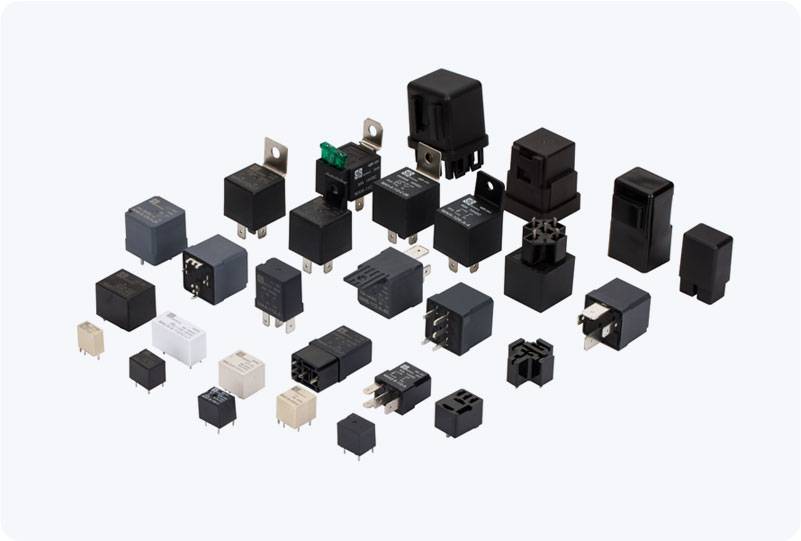
What is a High Current Power Relay? A High Current Power Relay is an electrical switching device that allows the control of high electrical currents. It works by using an electromagnetic coil to open or close contacts in the relay. When an electric current passes through the coil, it creates a magnetic field that moves the contacts to either connect or disconnect the circuit. These relays are capable of handling much larger currents than typical relays, often rated from 10A to several hundred amperes, and sometimes even higher. Their ability to switch large currents on and off makes them indispensable in applications where conventional relays would fail.