In industrial settings where explosive gases, flammable vapors, or combustible dusts are present, maintaining safety is a primary concern. A Hazardous Area Relay plays a crucial role in ensuring the safe operation of electrical systems in such hazardous environments. These relays are designed to prevent electrical sparks or faults from triggering fires or explosions, which can have catastrophic consequences. In this article, we will delve into the importance, working principle, and applications of hazardous area relays, exploring their vital role in protecting workers, assets, and the environment.
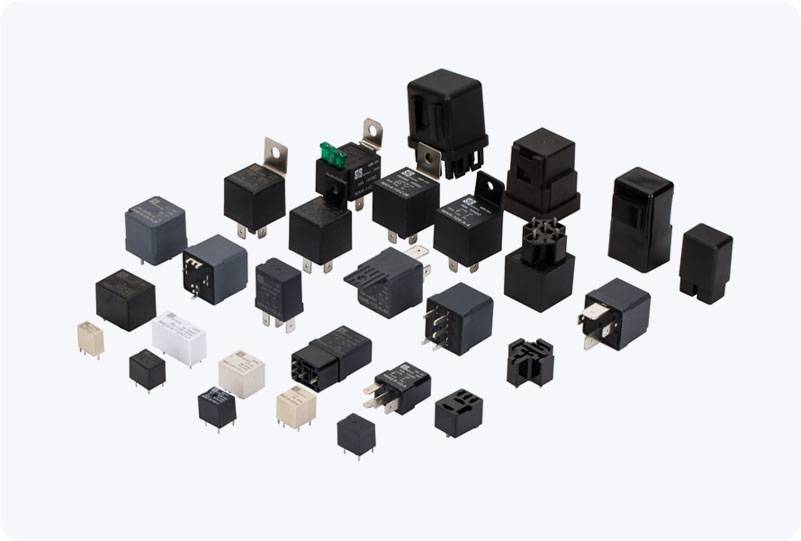
What is a Hazardous Area Relay? A Hazardous Area Relay is an electrical device used in areas where there is a potential for an explosive atmosphere due to the presence of flammable gases, vapors, or dust. These relays control or protect electrical circuits and equipment in such environments. To ensure that the device doesn’t become a source of ignition, hazardous area relays are engineered with special construction materials and features that meet strict safety standards. Key Features and Design Principles Explosion-Proof Construction: The most important feature of a hazardous area relay is its explosion-proof design. The casing is often made of durable materials, such as cast aluminum or stainless steel, that can withstand potential explosions. These materials are designed to contain any internal sparks or explosions and prevent them from reaching the surrounding environment.