Ground faults are a critical concern in electrical systems, especially in environments where electrical safety is paramount, such as industrial plants, commercial buildings, and power distribution networks. A ground fault occurs when an unintended path between the electrical system’s conductors and the ground is created, often due to damaged insulation, equipment failure, or environmental factors. To detect and isolate ground faults quickly, a Ground Fault Protection Relay (GFPR) is used, playing a vital role in preventing system damage, equipment failure, and potential hazards to personnel.
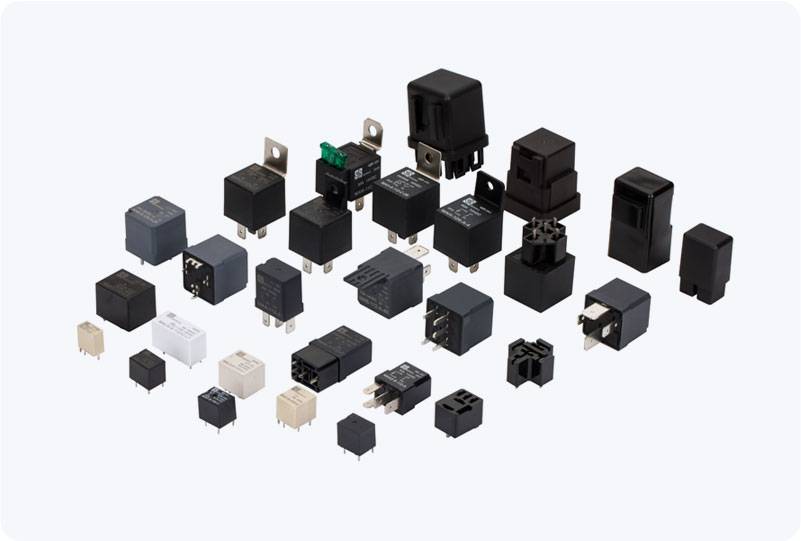
What is a Ground Fault Protection Relay? A Ground Fault Protection Relay is an electrical device designed to detect and respond to ground faults in an electrical system. It continuously monitors the current flow within the system, specifically the difference between the phase conductors (the live wires) and the neutral or ground conductors. If the relay detects an imbalance in current, it triggers an alarm or disconnects the affected circuit, effectively isolating the faulty section of the system. The core function of a ground fault protection relay is to prevent damage by disconnecting or isolating the circuit as soon as a ground fault is detected. In many cases, the relay is equipped with adjustable settings that allow users to define the threshold at which it should act. These settings can include time delays, fault detection sensitivity, and fault current levels, enabling the relay to adapt to various system configurations and protection requirements.