Food grade solenoid valves play a crucial role in maintaining the safety, hygiene, and efficiency of food processing systems. These valves are specially designed to control the flow of liquids, gases, or steam in systems where food safety is paramount. In industries such as beverage production, dairy processing, and packaged food manufacturing, food grade solenoid valves ensure that operations are seamless and hygienic, complying with strict safety standards. This article explores the importance, features, and applications of food grade solenoid valves, highlighting their role in safeguarding the food supply chain.
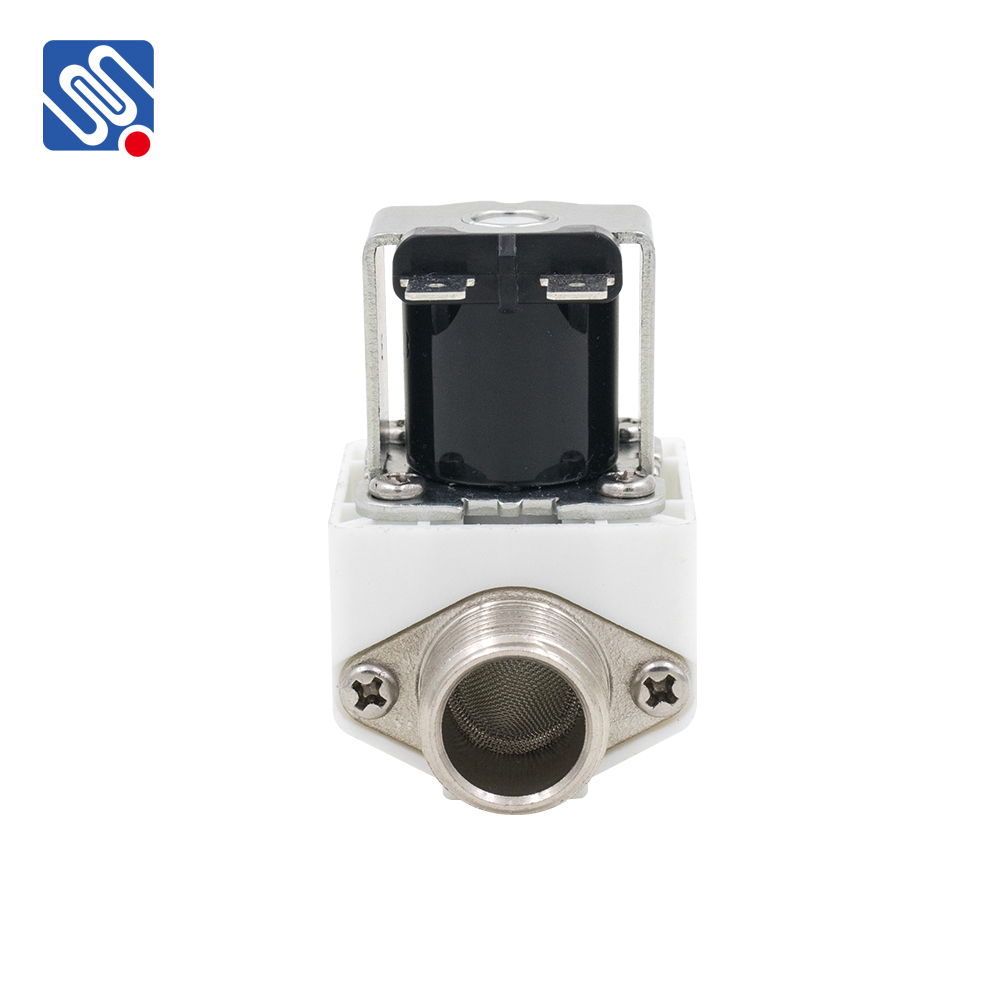
What is a Food Grade Solenoid Valve? A food grade solenoid valve is a type of electromagnetic valve designed to handle fluids or gases in food and beverage applications. The primary function of these valves is to control the flow of substances in automated systems, responding to electrical signals that either open or close the valve. Unlike standard solenoid valves, food grade solenoid valves are constructed using materials that meet stringent food safety regulations, ensuring that the end product is free from contaminants. Materials and Compliance One of the most significant factors that set food grade solenoid valves apart from regular ones is the materials used in their construction. These valves are typically made of stainless steel, often grade 304 or 316, which is known for its corrosion resistance and ease of cleaning. Stainless steel also offers excellent durability, which is essential in food environments where cleanliness and longevity are critical.