Food safety and hygiene are paramount in the food and beverage industry. As such, the equipment used in food processing must meet rigorous standards to ensure that products are safe for consumption. One such crucial piece of equipment is the Food Grade Solenoid Valve. This article delves into the importance, features, and applications of food grade solenoid valves, emphasizing how they contribute to both safety and operational efficiency in food production environments.
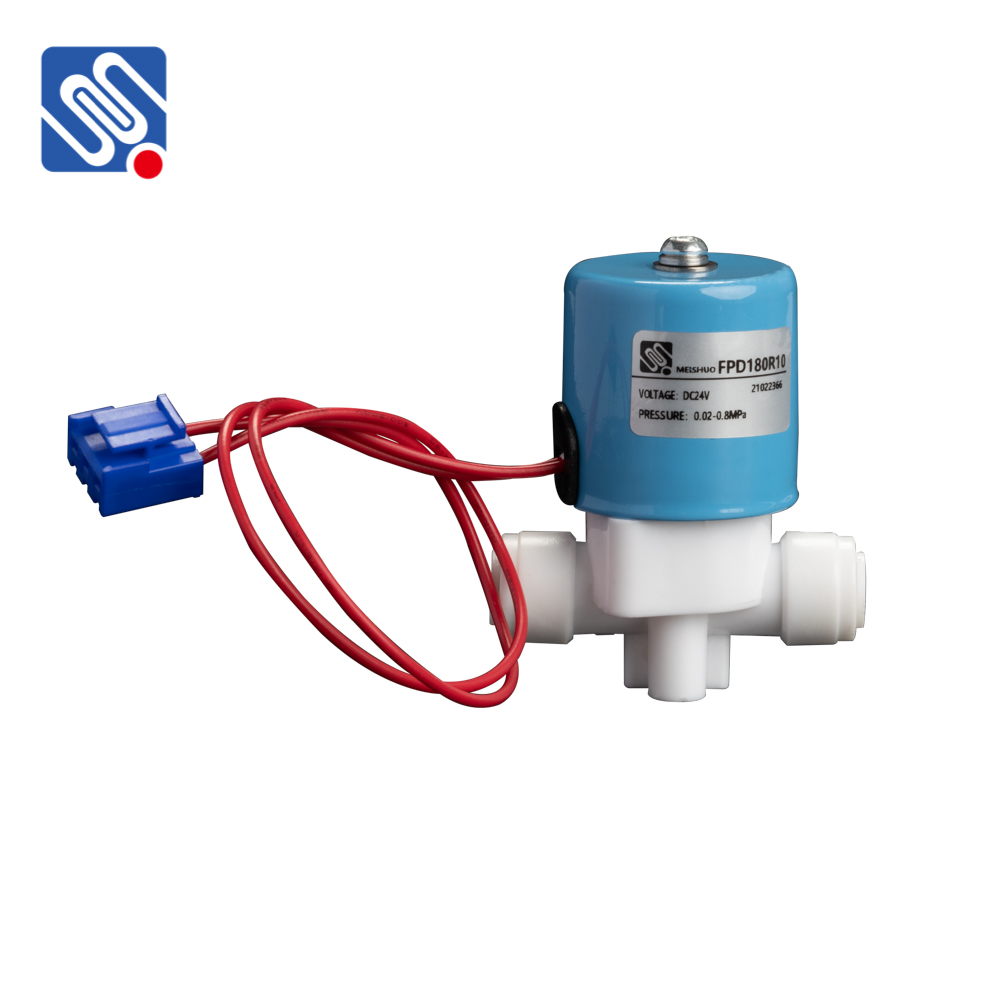
What is a Food Grade Solenoid Valve? A Food Grade Solenoid Valve is an electrically operated valve used to control the flow of fluids in systems that process food and beverages. These valves are specifically designed and manufactured using materials that comply with food safety regulations to prevent contamination. Unlike standard solenoid valves, which are often made from general-purpose materials, food grade solenoid valves must adhere to strict hygiene and safety standards. The valve’s basic function is to regulate the flow of liquids, gases, or slurries by opening or closing in response to an electrical signal. When a current passes through the coil of the solenoid, it generates a magnetic field, activating the valve’s mechanism to allow or stop fluid movement.