In recent years, the integration of renewable energy sources into industrial and commercial applications has gained significant momentum. Among these, photovoltaic (PV) systems have emerged as one of the most widely adopted solutions due to their clean energy output and environmental benefits. However, with the growing scale of PV installations and their associated electrical systems, ensuring safety and reliability becomes crucial, especially in hazardous environments. One such innovation designed to meet these needs is theExplosion-proof Photovoltaic Electric Valve. This valve not only contributes to the efficient operation of solar energy systems but also ensures safety in settings where explosive gases or dust are present.
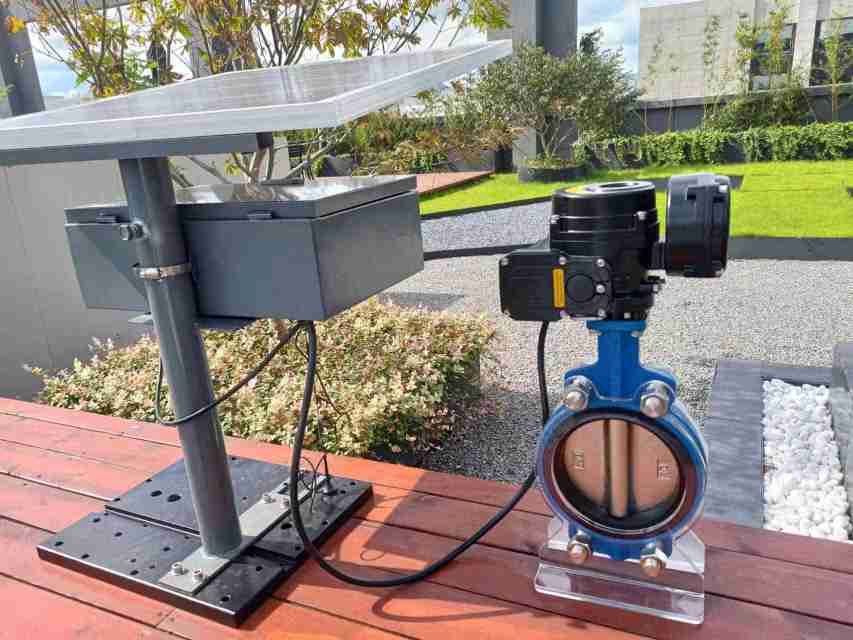
What is an Explosion-proof Photovoltaic Electric Valve?
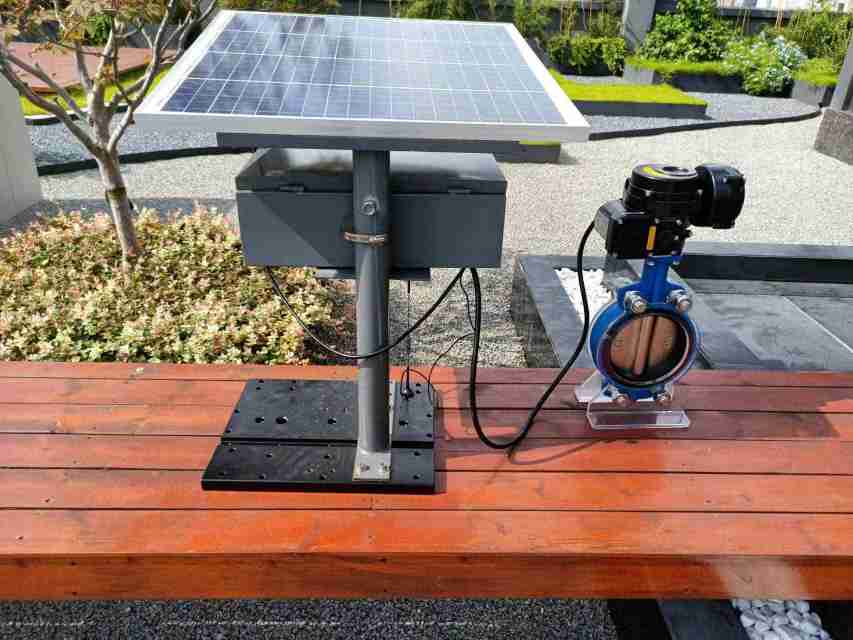
An explosion-proof photovoltaic electric valve is a specialized valve designed to work with photovoltaic systems in potentially hazardous environments. These valves are engineered to prevent the ignition of flammable gases, dust, or vapors, offering protection in industries such as oil and gas, chemical manufacturing, and power generation, where explosive conditions are a concern. As the name suggests, these valves combine the benefits of bothexplosion-proofandelectrictechnologies, making them ideal for safe energy management in solar-powered systems. The electric aspect of the valve refers to its operation using electric power to control its opening and closing. This allows for automated and remote control of fluid or gas flow within the system, ensuring smooth and efficient operation. In photovoltaic systems, these valves typically control the flow of cooling or heating fluids, or they may be involved in controlling the pressure or flow of gases used in energy conversion.
Leave a Reply