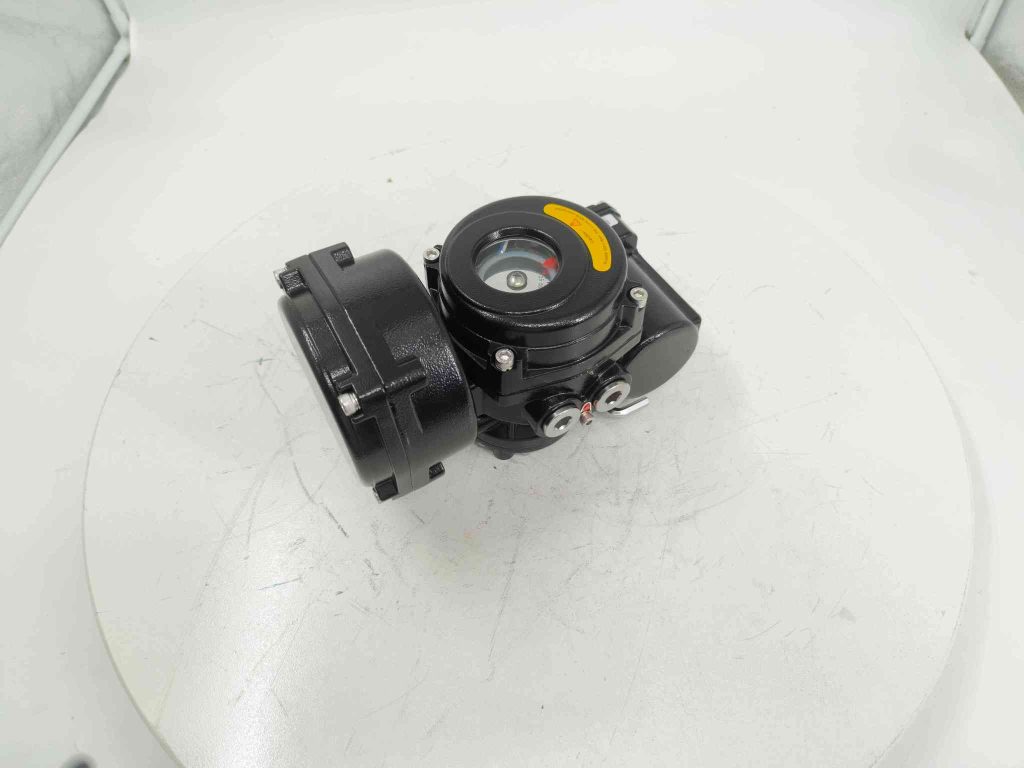
In industries where safety is a priority, especially in environments prone to explosive hazards, the Explosion-proof electric actuator plays a crucial role in maintaining both operational efficiency and worker safety. These actuators are designed to ensure that equipment can operate safely in areas with flammable gases, vapors, or combustible dusts, thereby reducing the risk of accidents due to electrical sparks or overheating. This article delves into the construction, working principle, applications, and selection criteria of explosion-proof electric actuators.

What is an Explosion-proof Electric Actuator?
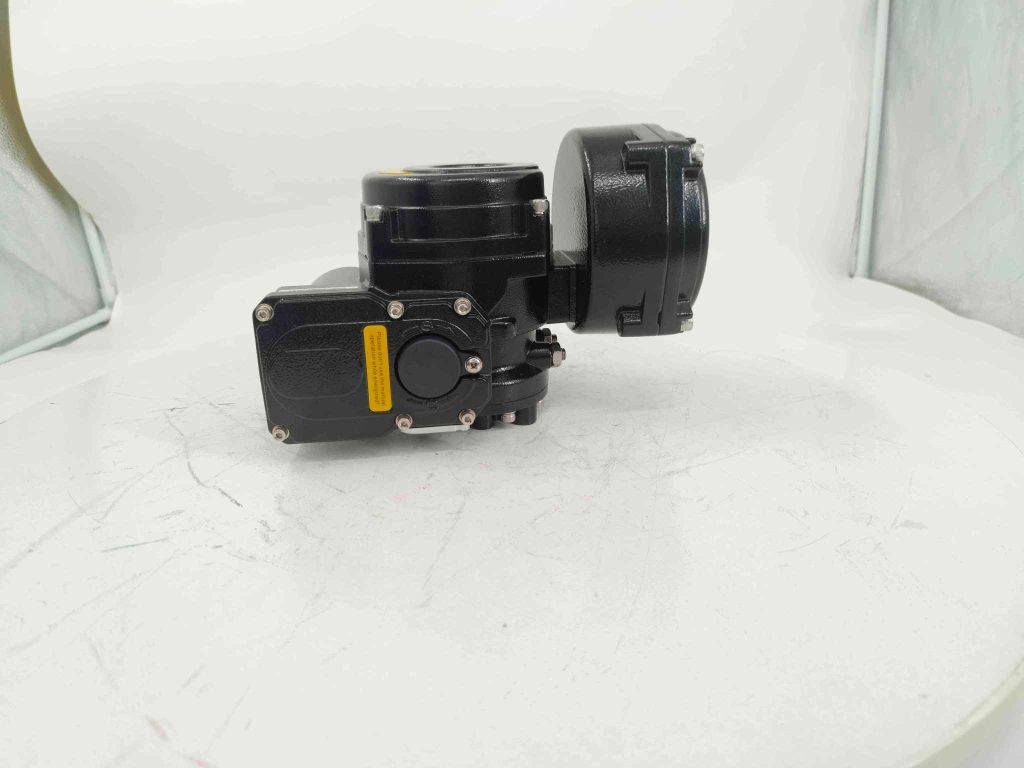
An Explosion-proof electric actuator is a device that converts electrical energy into mechanical motion to control the operation of valves, dampers, and other mechanical systems. The actuator uses an electric motor and a mechanical drive system to initiate movement, and its design ensures that it can operate safely in environments where flammable substances are present. The key feature of an explosion-proof actuator is its ability to contain any internal electrical sparks or heat, preventing them from igniting the surrounding hazardous atmosphere. The explosion-proof design generally adheres to internationally recognized standards such as the ATEX directive (for Europe), IECEx (for international markets), or UL standards (for North America). These standards categorize equipment based on the type of environment in which it will be used.