Introduction
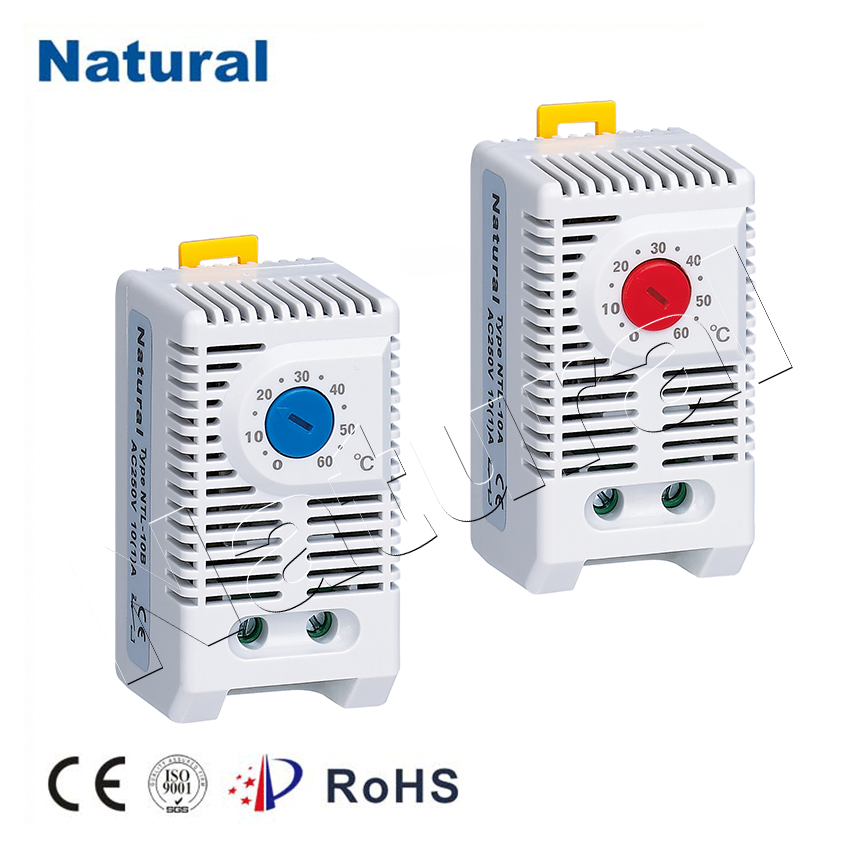
In the era of advanced technology and energy-conscious living, thermostats have evolved from simple temperature regulators to intelligent devices that optimize comfort and energy consumption. The wide array of available thermostat options can often lead to confusion when deciding which one to choose, especially when considering the balance between price and efficiency. This article delves into the factors influencing thermostat prices and provides insights to help consumers make informed decisions. Understanding Thermostat Types Thermostats come in various types, each with its own features and capabilities that directly impact its price range. The most common types include: Traditional Manual Thermostats: These basic models allow users to manually adjust the temperature settings. They are generally the least expensive option due to their simplicity but lack the energy-saving features of more advanced thermostats. Programmable Thermostats: These thermostats enable users to set different temperature schedules for various times of the day. Although more expensive than manual models, programmable thermostats can lead to energy savings by automatically adjusting temperatures when occupants are away. Smart Thermostats: Equipped with Wi-Fi connectivity and advanced sensors, smart thermostats offer remote control through mobile apps and can learn occupants’ preferences over time. Their higher price tag is justified by the potential for substantial energy savings and enhanced convenience. Factors Influencing Thermostat Prices Features and Technology: The more advanced the features, the higher the price. Smart thermostats, for instance, have integrated learning algorithms, occupancy sensors, and compatibility with home automation systems, all of which contribute to their elevated cost. Energy Efficiency: Many consumers are willing to invest in a more expensive thermostat if it promises long-term energy savings. Smart thermostats, with their ability to learn and optimize heating and cooling cycles, often offer greater efficiency gains. Brand Reputation: Established brands with a track record of reliable products tend to command higher prices. Consumers may opt for well-known brands due to their perceived quality and customer support. Installation Complexity: Thermostats requiring professional installation can have higher upfront costs. Smart thermostats may fall into this category due to their need for connection to Wi-Fi networks and integration with existing HVAC systems. Finding the Balance When considering a thermostat purchase, finding the balance between price and efficiency is crucial. Here are some tips to make an informed decision: Assess Your Needs: Consider your daily routine, the size of your home, and your willingness to engage with technology. A manual thermostat might suffice if you’re rarely away, while a smart thermostat could be beneficial for those seeking convenience and energy savings. Calculate Potential Savings: Research the potential energy savings offered by different thermostat models. While a smart thermostat might be more expensive initially, it could lead to substantial savings on your energy bills over time. Check Compatibility: If you’re considering a smart thermostat, ensure that it’s compatible with your existing HVAC system. Compatibility issues can lead to extra costs for professional installation or system modifications. Read Reviews: Before making a purchase, read customer reviews and expert opinions. These insights can help you gauge the real-world performance and reliability of the thermostat you’re considering. Conclusion As technology continues to advance, the thermostat market offers a range of options that cater to varying needs and preferences. While prices may differ significantly among manual, programmable, and smart thermostats, the key is to find the right balance between cost and efficiency. By considering factors such as features, energy savings potential, brand reputation, and installation requirements, consumers can make well-informed decisions that align with their comfort and budget goals.